Comments or questions? Bernhard Roetzel replies.
Diesen Beitrag gibt es auch auf Deutsch. Auf Deutsch lesen →
A man who dresses classically wears coats. For town and country there is a series of classic winter coats that have proved themselves over decades. Very few men own the whole range, but almost certainly two or three of the coats shown here will be hanging in the wardrobe. The covert coat is strictly speaking not a winter coat, since the cloth used for it is too light for properly cold days. It belongs in the circle of classics all the same. Over a three-piece tweed suit it will as a rule keep you warm enough. And if it does not, there are always coats in tweed and loden.
Covert coat

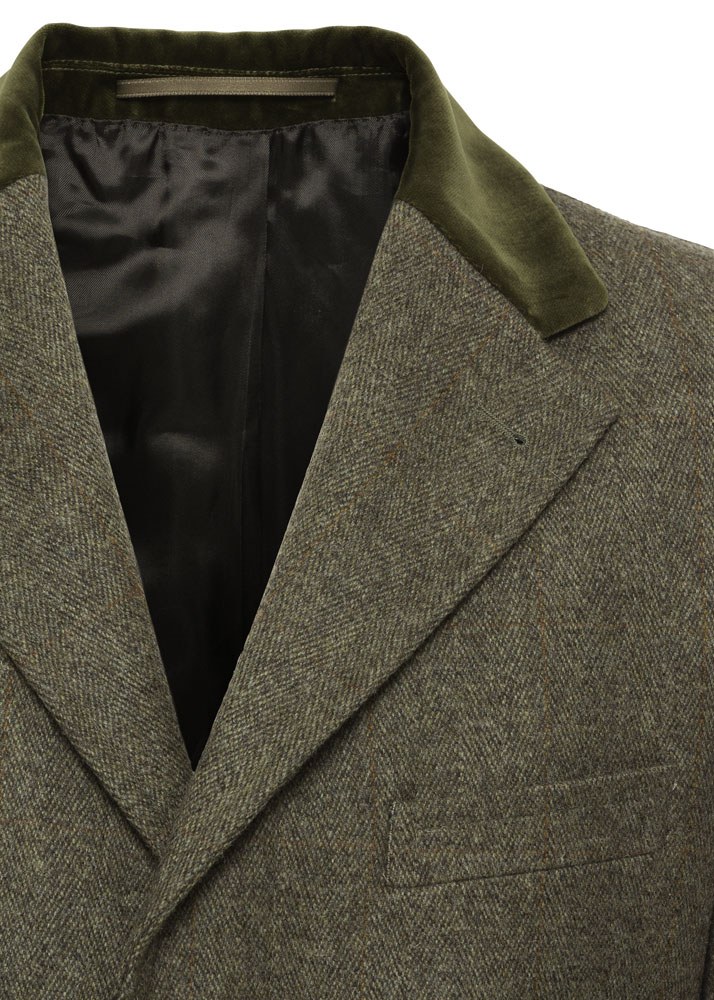
The covert coat is really a decidedly rural model, originally found around the world of riding. Since the beginning of the twentieth century it has counted as a slightly more sporting town coat, with or without a velvet collar. This one is by Ladage & Oelke → www.ladage-oelke.de
Chesterfield

The Chesterfield in mid-grey herringbone with a black velvet collar is the counterpart to the dark grey worsted suit. It suits formal business outfits with black shoes, and evening occasions that call for a dark suit. The model shown is from Cove & Co., where the coat is made to measure → www.cove.de
Ulster
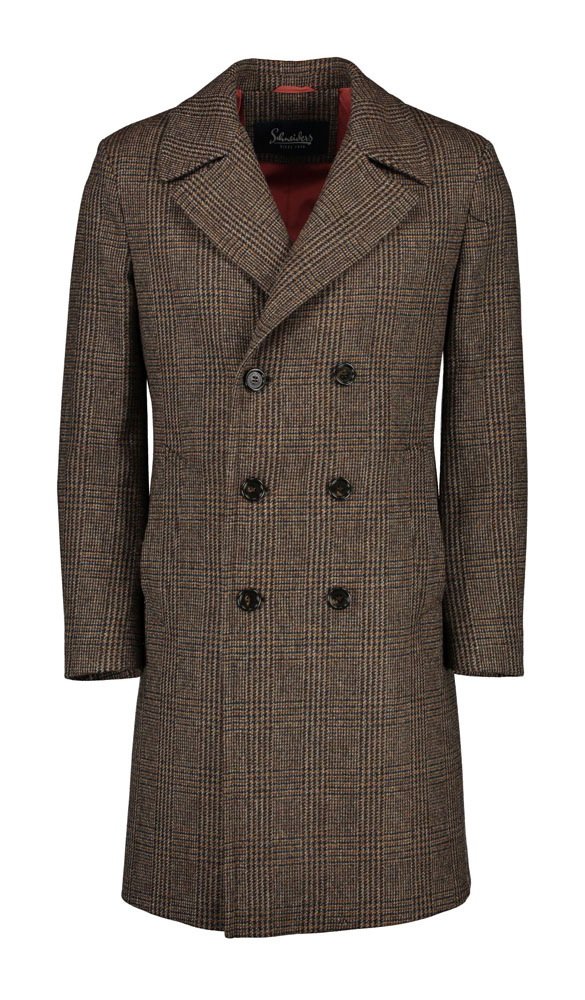
A double-breasted coat with notch lapels is called an Ulster, and its great period was the 1930s to the 1950s. It had a first comeback in the 1970s and the second is happening right now. The Ulster is less elegant than double-breasted models with peak lapels, but it looks rather more solid and goes well with an outfit that includes laced boots. Here a version from Schneiders of Salzburg → www.schneiders.com
Town coat
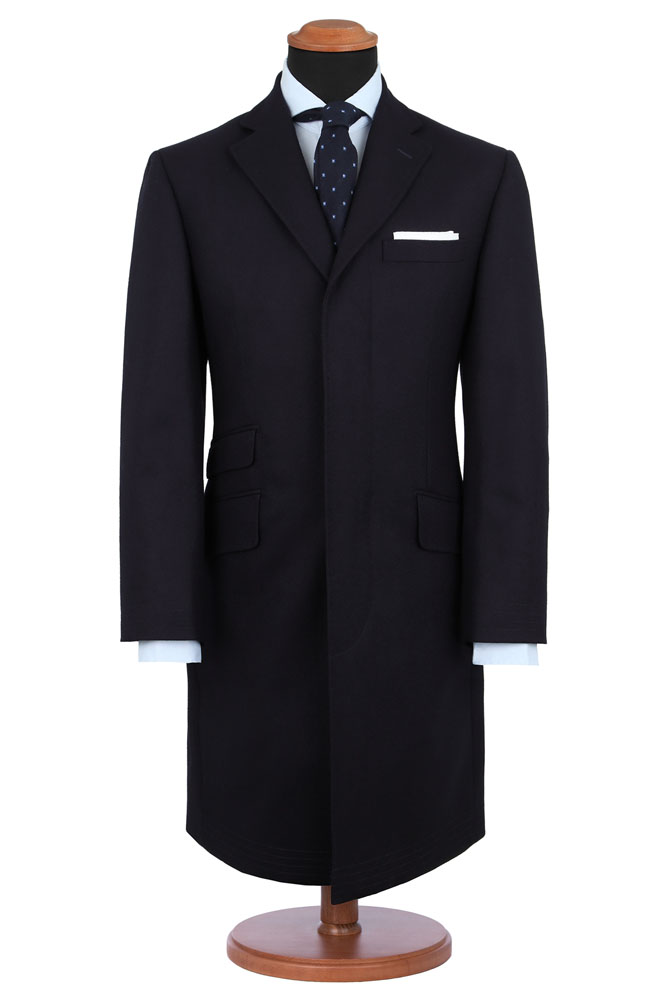
If you only want to buy one coat to go with a dark suit, it should be a dark blue single-breasted coat cut like a covert coat. It works with any business suit, but also goes over a dinner jacket in the evening. And it looks very smart on top of that with jeans and chukka boots at the weekend. Anton Meyer has the classic made in merino wool from Leichtfried in Austria, finished with Aquastop against showers → www.antonmeyer.de
Tweed coat with a velvet collar
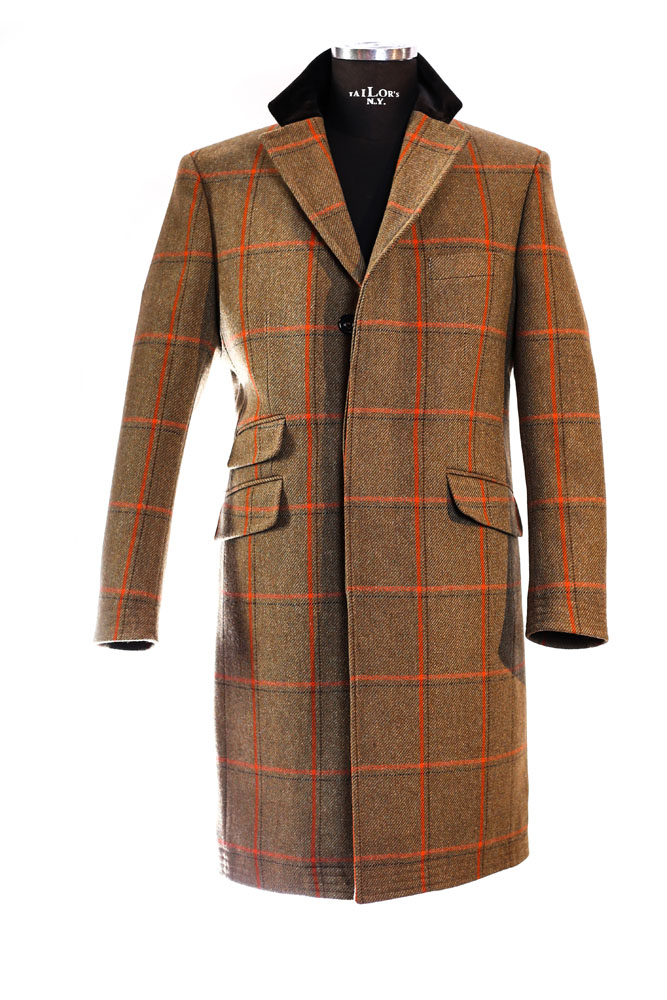
Scottish tweed, with a warming lining added, cut like a covert coat. That gets you through longer spells outdoors, whether a walk in the park, a ride out into the country or a drink at the autumn market. The brown velvet collar on this model from Ed. Meier Munich goes well with country footwear, in brown suede for instance → www.edmeier.de
Short paletot
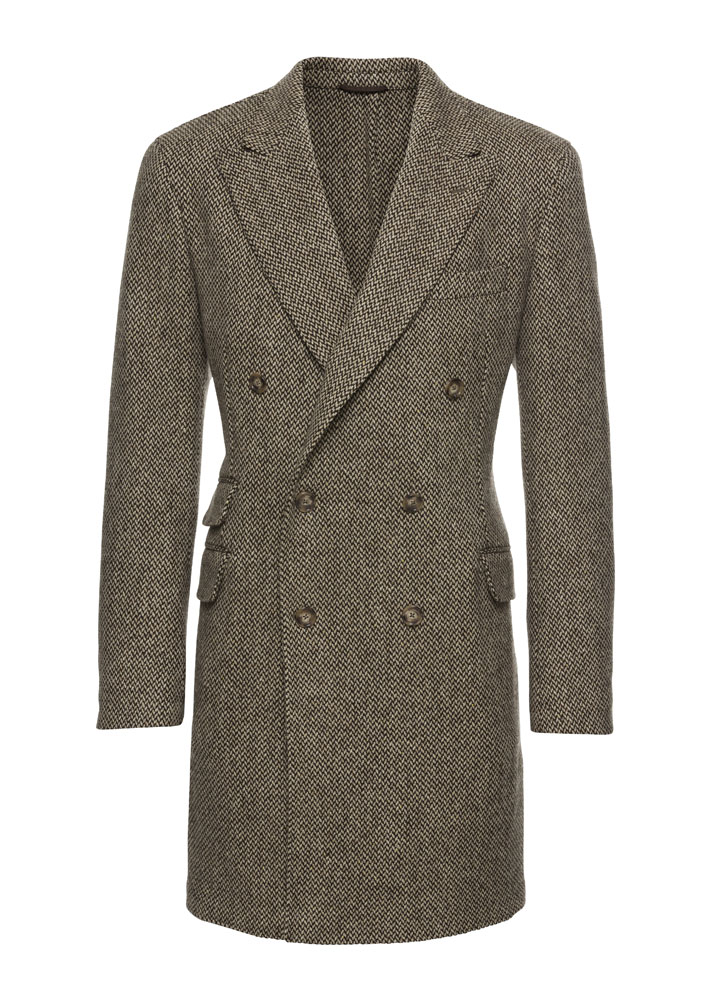
Double-breasted coats are particularly popular in winter, since the double layer of cloth warms twice as well and keeps the wind out. As a rule a double-breasted coat always looks a little more elegant than a single-breasted one, above all in dark blue or grey. A brown double-breasted coat is a good compromise between a more formal cut and a more relaxed look. The photograph shows a model from Ladage & Oelke → www.ladage-oelke.de
Tweed slip-on
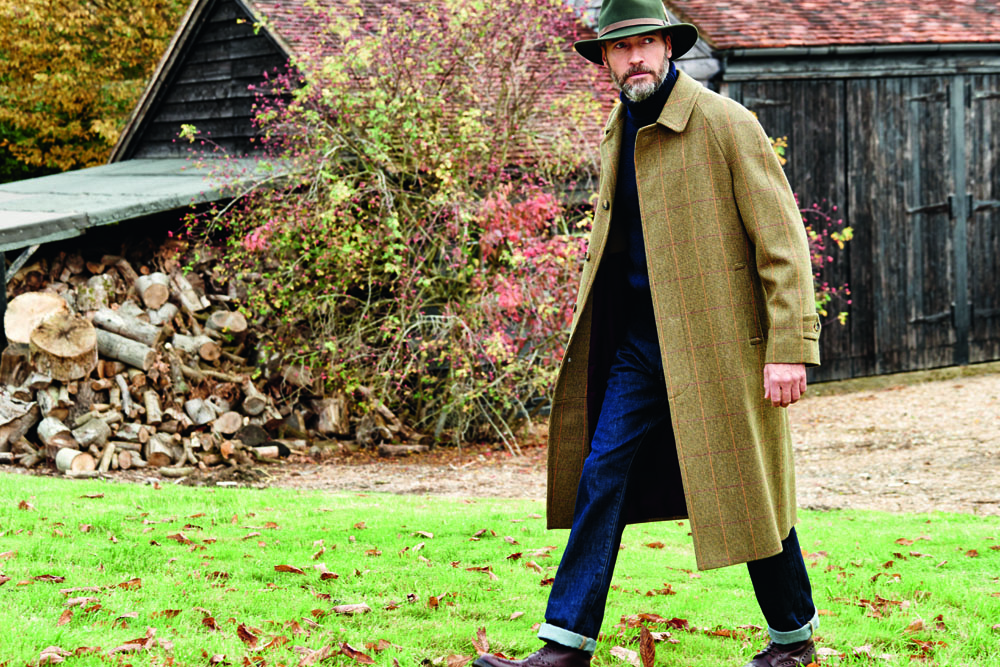
The heavier the cloth, the wider the cut. That formula does not always hold, but with winter coats, which are mostly worn over a jacket or a sweater, it has proved itself. In a slim-fit tweed coat you quickly feel constricted, which is not at all the case in this raglan-cut tweed coat by Chrysalis. In terms of freedom of movement it is, so to speak, the warm version of the slip-on raincoat in cotton gabardine → www.chrysalisengland.co.uk
Hubertus loden coat
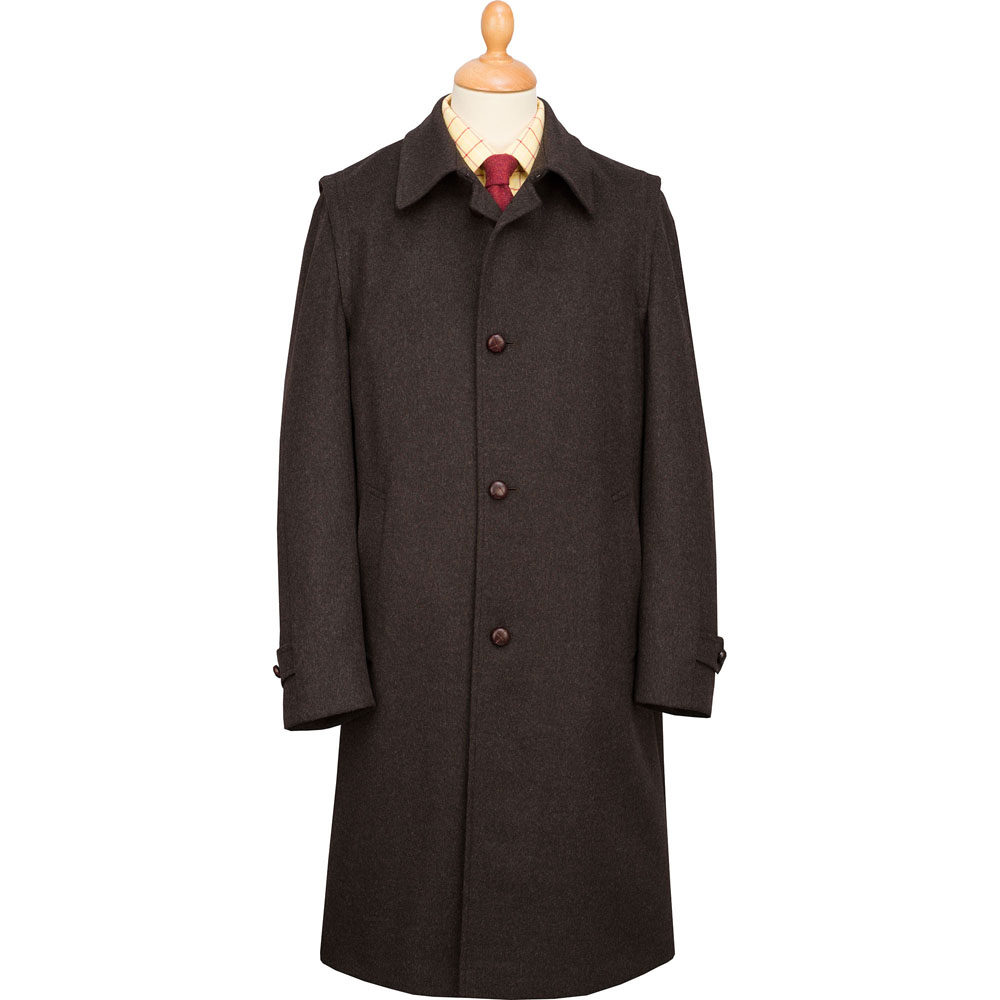
It may be surprising at first sight that Cordings of Piccadilly, the most British of all British gentlemen’s outfitters, carries the green Hubertus coat in loden. People who know English style know that the alpine classic is happily combined with tweed and corduroy on the island. One well-known wearer of a loden coat was the Duke of Edinburgh. Typical details of the Hubertus include the ventilation openings under the arms and the slash pockets → www.cordings.co.uk
Duffle coat
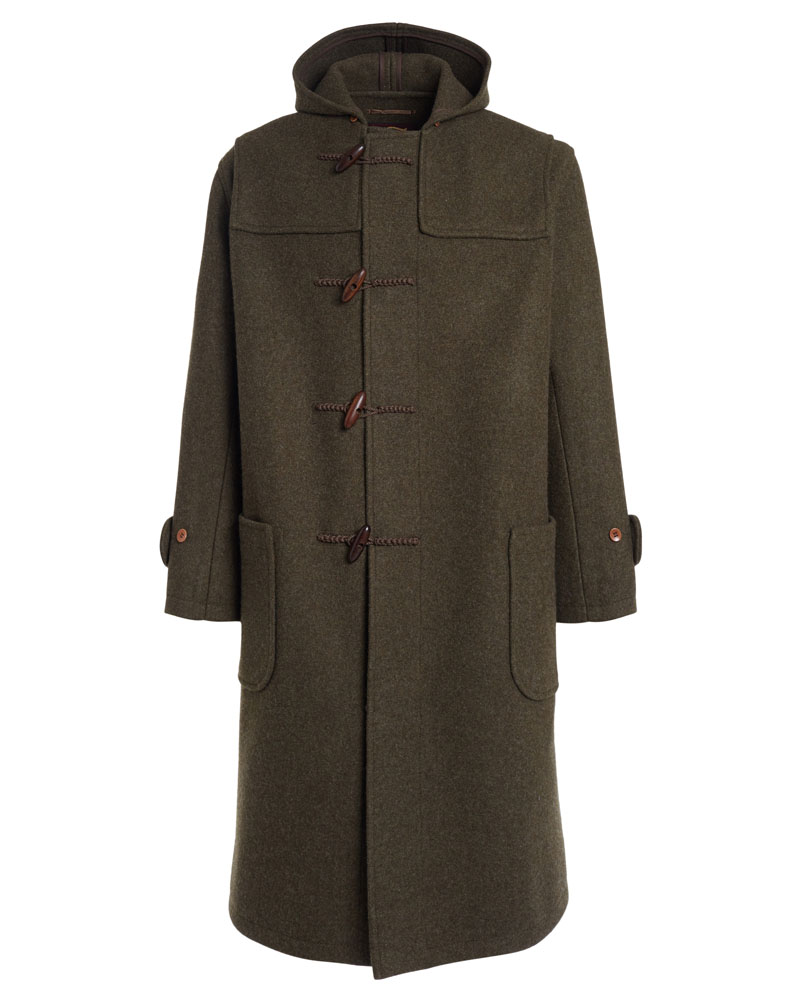
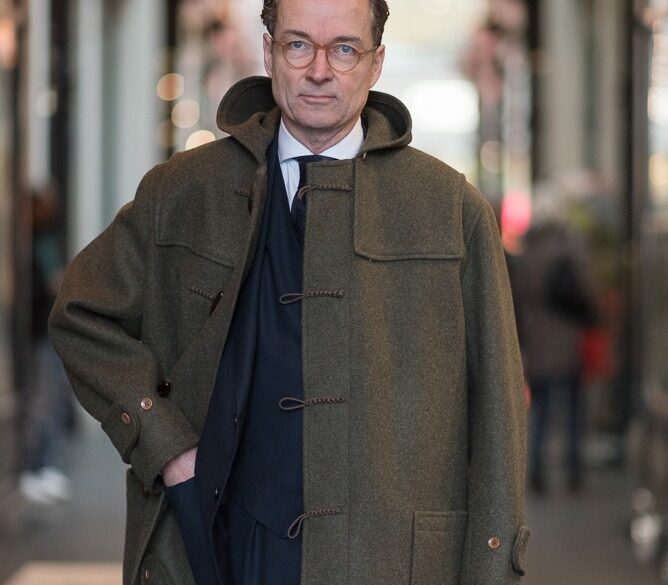
The duffle coat is the sporting coat classic par excellence. With its hood it stands stylistically rather alone among the other models, and among younger men with a feeling for functional clothing that detail usually goes down well. The Hamburg outfitter Ladage & Oelke has clothed many generations of the city’s men in its version of the duffle coat, sewn in a particularly heavy cloth woven in Germany → www.ladage-oelke.de
Stalking coat
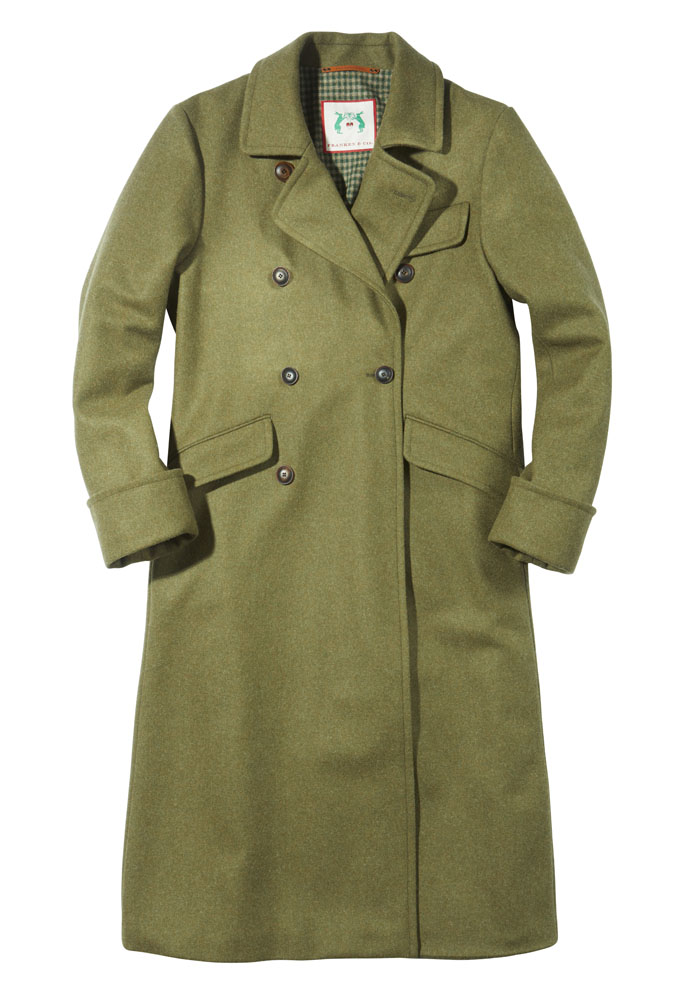
Hunters know what they want from a stalking coat. It has to keep them warm for hours in extreme cold, while they wait motionless for something to walk in front of the rifle. A really long, warm coat like that can perfectly well be worn for other things too, as a rural note over a business outfit for instance, or for a weekend trip into the country. The model shown is from the hunting and country outfitter Franken & Cie. → www.franken-cie.com
Tweed coat
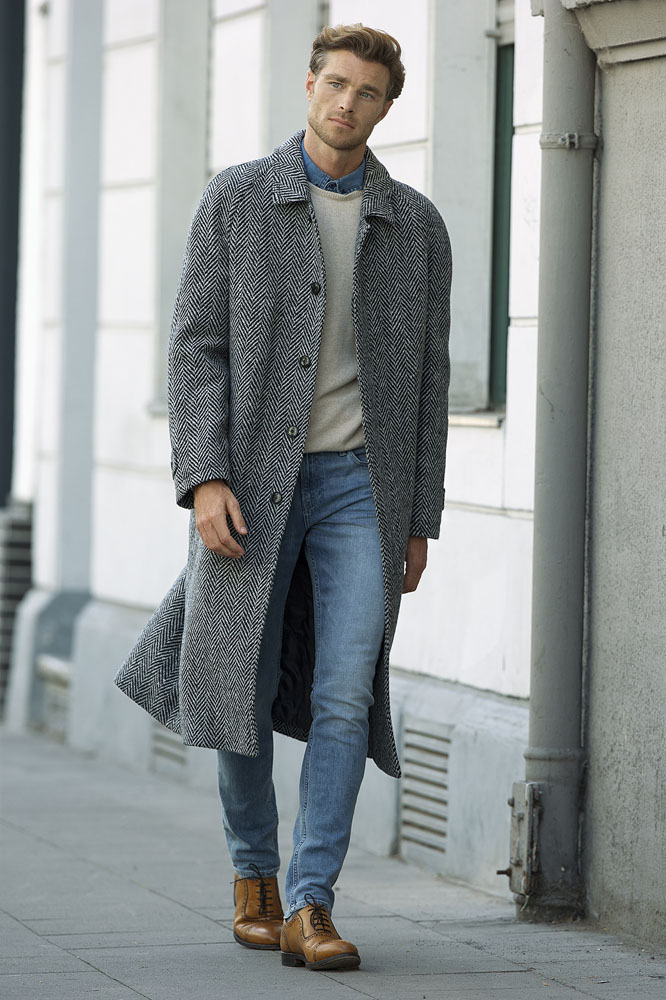
For many men a heavy tweed coat still belongs to winter, even if really low temperatures have become rarer in recent years. But when extreme weather brings frost, a long coat in Irish or Scottish tweed really does keep you warm, like this model from John Crocket in Cologne. The heavy cloth has the advantage that on less cold days you can simply pull the coat on over trousers and a shirt and still not feel the cold → www.john-crocket.de
Read on at Simon Crompton’s Permanent Style
Bernhard occasionally publishes guest pieces on Permanent Style, Simon Crompton’s English-language online magazine.
- Loden: The cloth, the coat, the history. The Hubertus and its history, in Bernhard’s essay on loden.

