Comments or questions? Bernhard Roetzel replies.
Diesen Beitrag gibt es auch auf Deutsch. Auf Deutsch lesen →
Lists are popular; they turn up on every subject. Best dressed men, watches, cars, wines. The ten essentials for the gentleman I list here are of course not a complete wardrobe. And if a piece appears on this list, that does not mean the one piece is enough. Take the shirt: the shirt as such is indispensable, and yet you need more than one. So this list simply presents pieces that should not be missing from a classic wardrobe.
1. The shirt
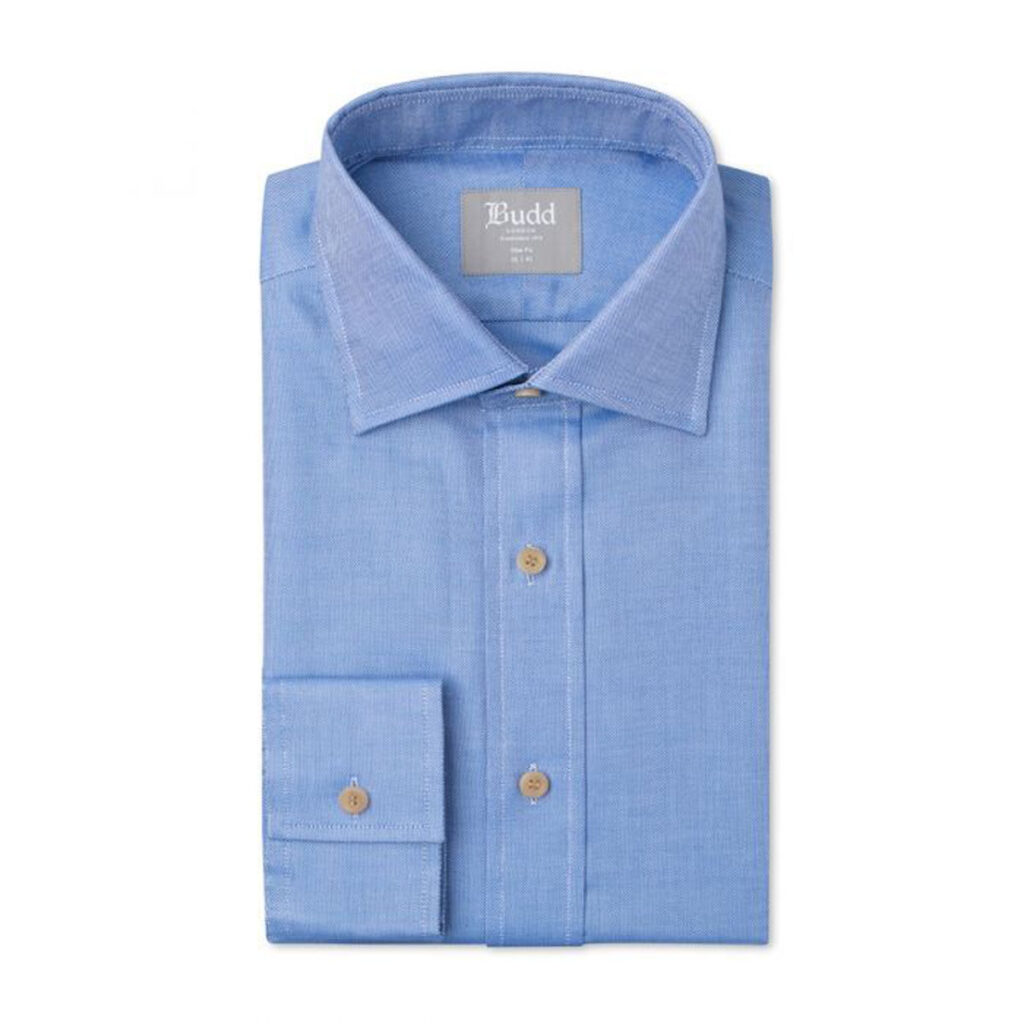
I am often asked what the most important basic is. I used to say the shoe; at the moment the shirt comes first. Wearing a shirt shows a feeling for classic clothes and a willingness to go to a certain amount of trouble. Shirts have to be washed, dried on the line and ironed. A man who takes that trouble is living a particular style. As an example I show a shirt in pale blue oxford from Budd Shirtmakers in London. For me it is the shirt. A shirt in two-fold poplin with double cuffs is certainly more formal and the better choice with a suit; the all-round shirt for every occasion is the oxford with a button cuff.
2. The tweed jacket
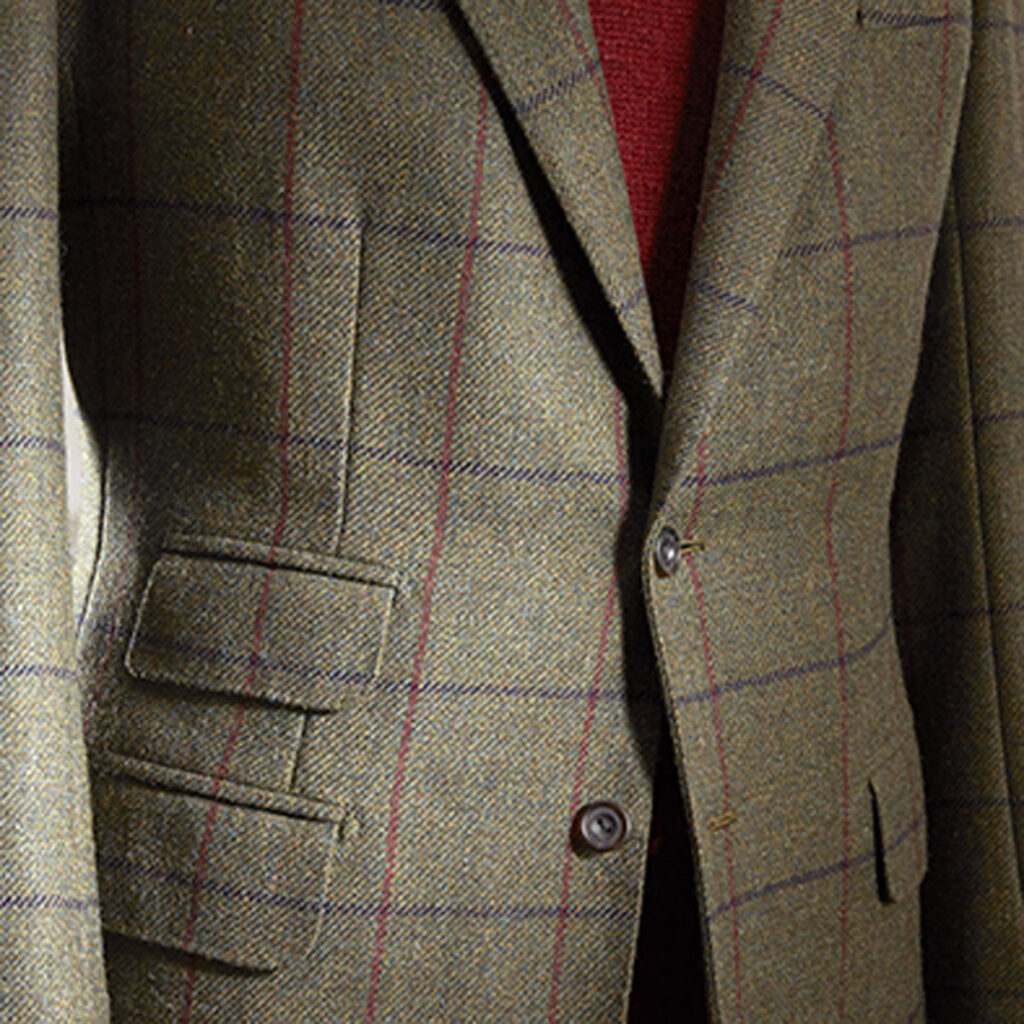
The tweed jacket is the Swiss army knife of the classic wardrobe. For every occasion below the threshold of the dark suit you are properly dressed in a good tweed jacket. And for many occasions where some men reach for a suit, you are better dressed in a tweed jacket with wool trousers. When I say a good tweed jacket I mean Scottish cloth, a classic cut and correct details without fashionable frippery, a coloured undercollar or leather elbow patches on a new jacket for instance. As an example we show a tweed jacket from Anderson & Sheppard in London. There are of course very good tweed jackets off the peg as well, at the English outfitter Cordings of Piccadilly for instance, or in Germany at Eduard Meier in Munich. Bespoke is lovely, but by no means a must.
3. The black oxford shoe
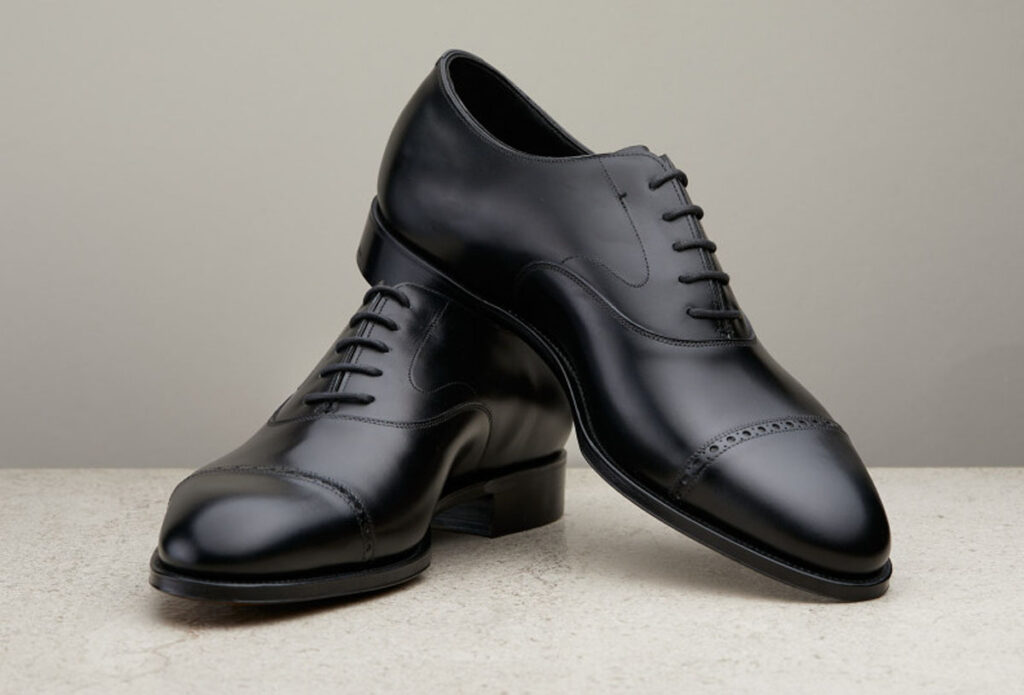
A man who owns a blue or grey suit also needs a pair of black oxfords with a plain toe cap. This is the most formal and most serious shoe for a man. It is at the same time a symbol of the loosening of menswear after 1918 and the companion of the then still fairly young lounge suit. The black cap-toe oxford is part of the business outfit and it is worn in the evening on occasions that call for a dark suit. You can also wear the black oxford with a dinner jacket, if you do not own patent pumps. As an example we show a model from the legendary English maker Edward Green on the 202 last.
4. The suit
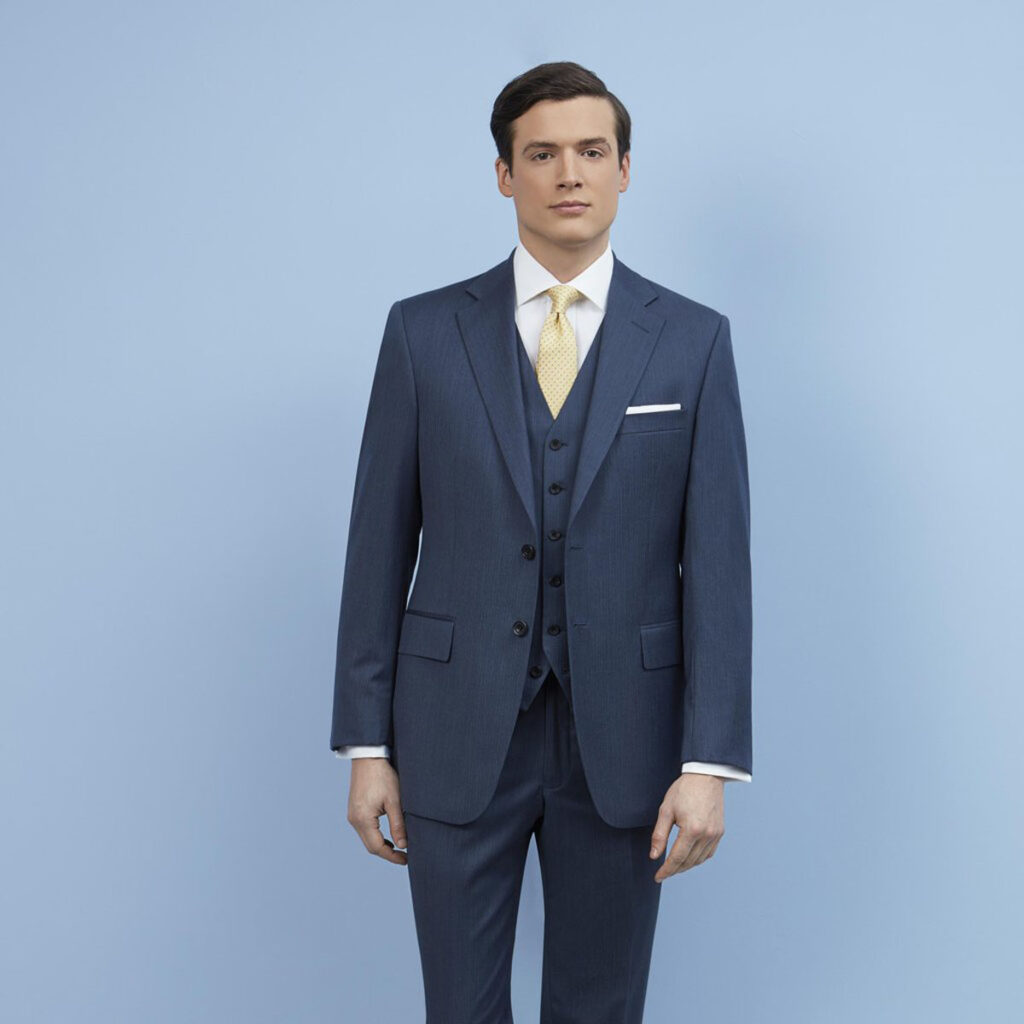
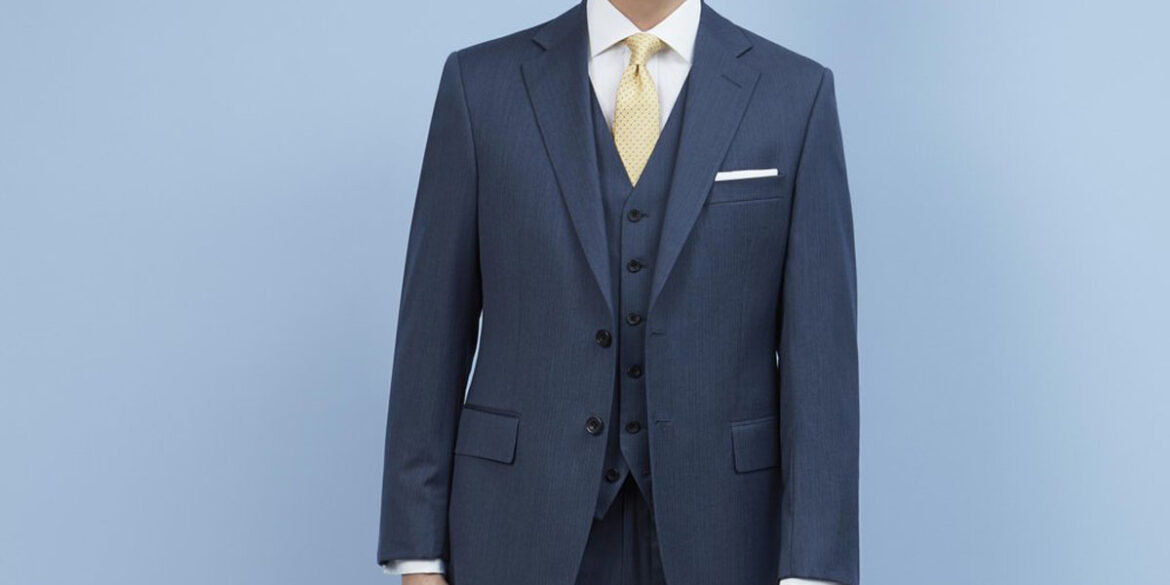
Many men wear a suit only rarely. Offices often have no dress code any more, and in a tweed jacket you are correctly but, by today’s standards, almost too formally dressed. All the same you should have a suit hanging in the wardrobe, because now and then you need it. Whether for a dinner among friends, a celebration, a private view, an evening at the theatre or a concert. Whether you choose single or double-breasted is a question of taste and personal style; the two are equivalent as far as dress codes go. A suit with a waistcoat in a medium-weight cloth is a good choice if you need an all-round suit. On colder days you wear it with the waistcoat, in spring and summer without. As an example we show a ready-to-wear suit from the collection of the London outfitter and tailor Ede & Ravenscroft.
5. The chukka boot
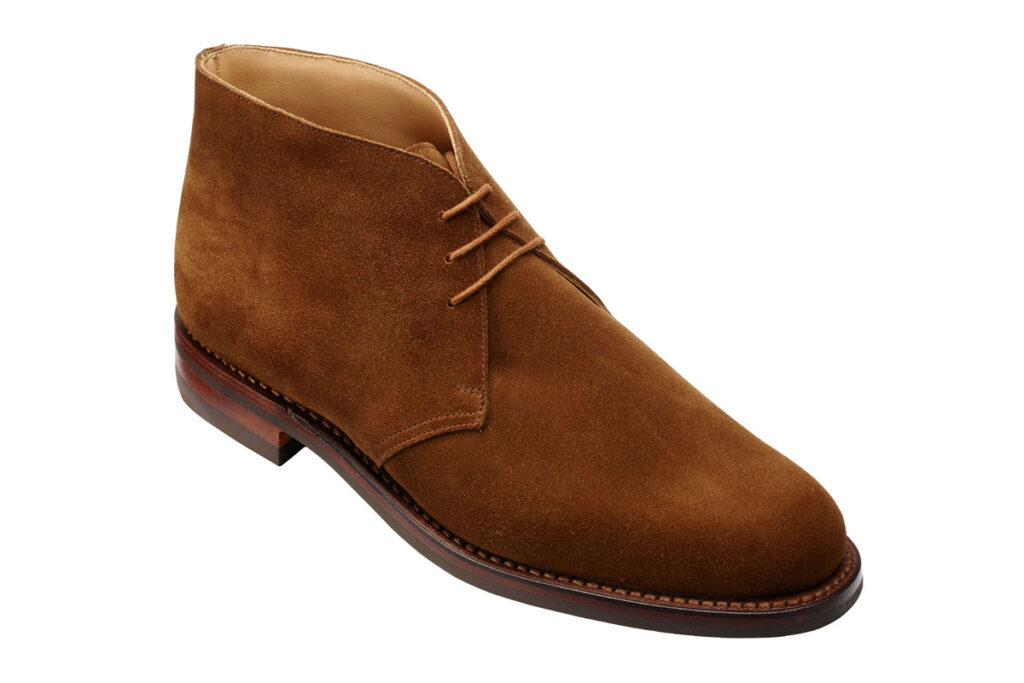
Where other men wear trainers, the classically dressed man turns out in chukka boots. They look best with rather narrow and slightly shorter trousers, so chinos, corduroy or moleskin, or jeans. Chukka boots are related to the desert boot but are more formal and, in a sporting way, more elegant. They come with leather soles or rubber ones. In either case the soles should not be too thick, so that the boot keeps its slim and elegant silhouette. Chukka boots are also worn with a suit; they go well with tweed, whipcord or Glen check. Every English maker offers chukka boots; here an example from the collection of Crockett & Jones. Chukka boots should always be brown. My own preference is a lighter brown.
7. The chinos
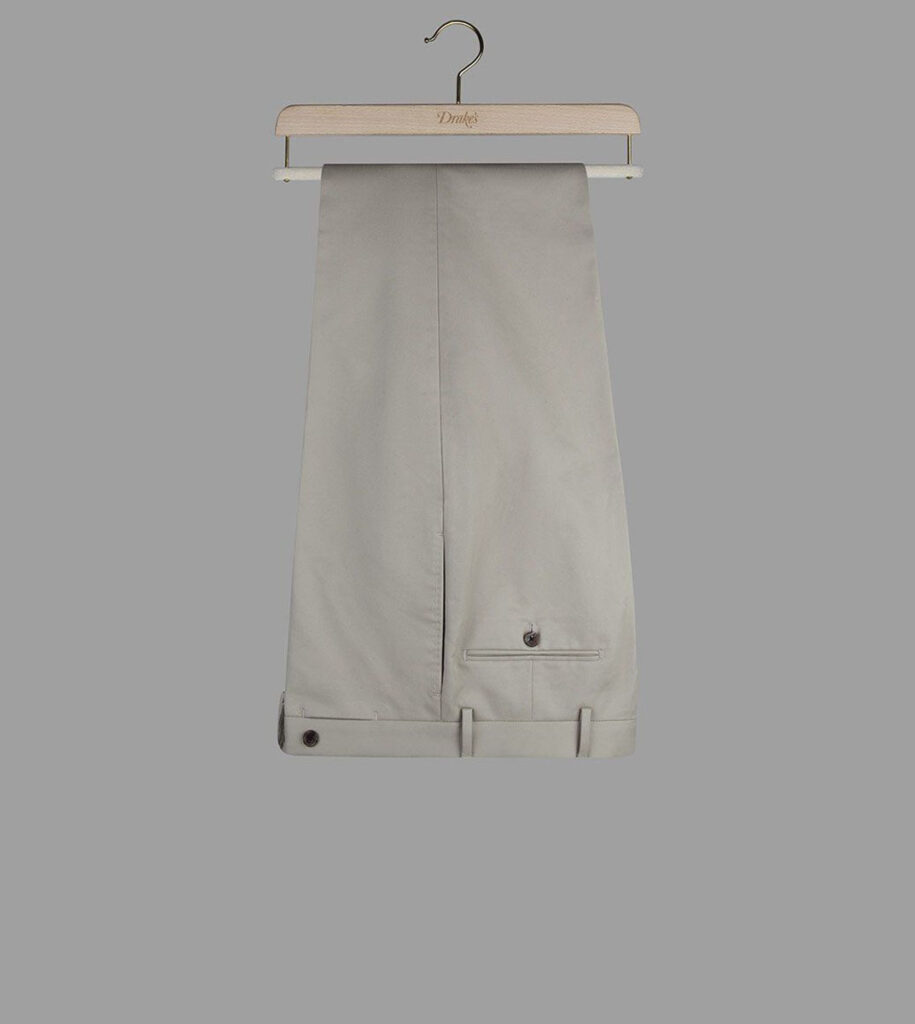
Chinos as an essential? Not grey flannels? Or trousers in cavalry twill or moleskin? All of those are classics and indispensable. But they are either quite formal already or tied to a particular season. Chinos, by contrast, are good all-round trousers in a casually dressed world. You are not going to walk around in light chinos below freezing. But it is more realistic to wear chinos in a heavy cotton twill in winter than moleskin in summer. Chinos loosen up a tweed jacket and give a shirt the extra bit of formality that jeans would sometimes lack. As an example we show chinos from the collection of Drake’s.
8. The raincoat
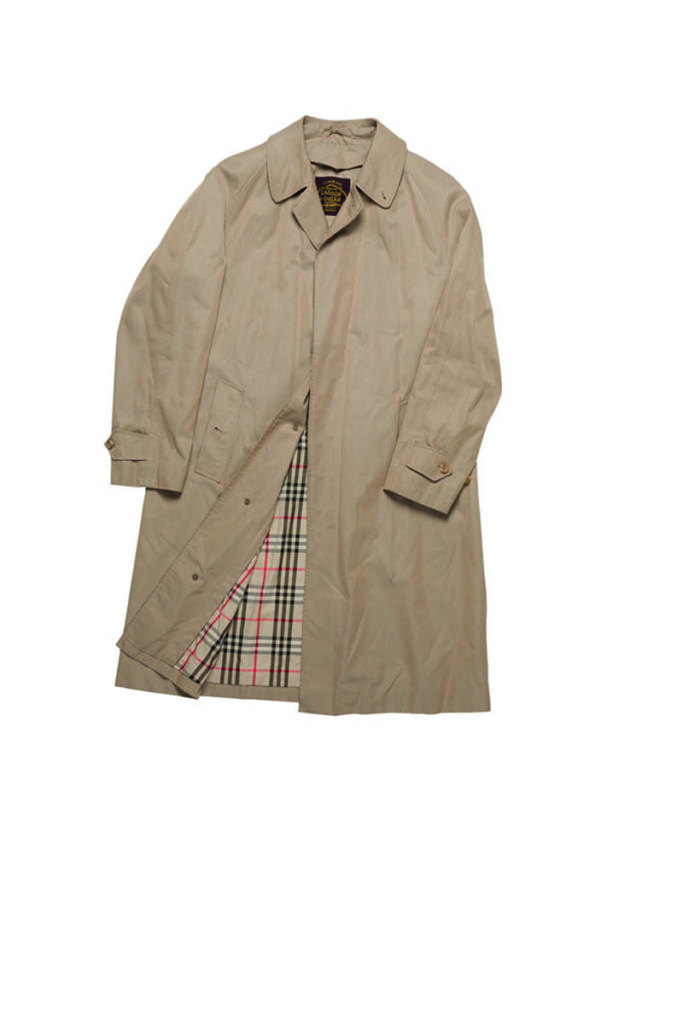
The Barbour, the Husky and the covert coat are the great classics of the gentleman style, so why should a raglan-sleeved raincoat in cotton gabardine matter more? Because the raincoat, ineffective as it is against rain in this form, is the less obvious choice. Above all it is the coat that keeps you from sliding into caricature. Picture yourself in a shirt, chinos, a tweed jacket, chukka boots and a well worn-in gabardine coat over the top. You would be correctly and at the same time inconspicuously dressed in London, Paris, New York, Tokyo or Hamburg. With a Barbour we shout our stylistic allegiance into other people’s ears; with a raincoat we murmur it quietly to ourselves. As an example we show my coat, made by Grenfell for Ladage & Oelke, which has a wool lining that zips in for colder days.
9. The V-neck sweater
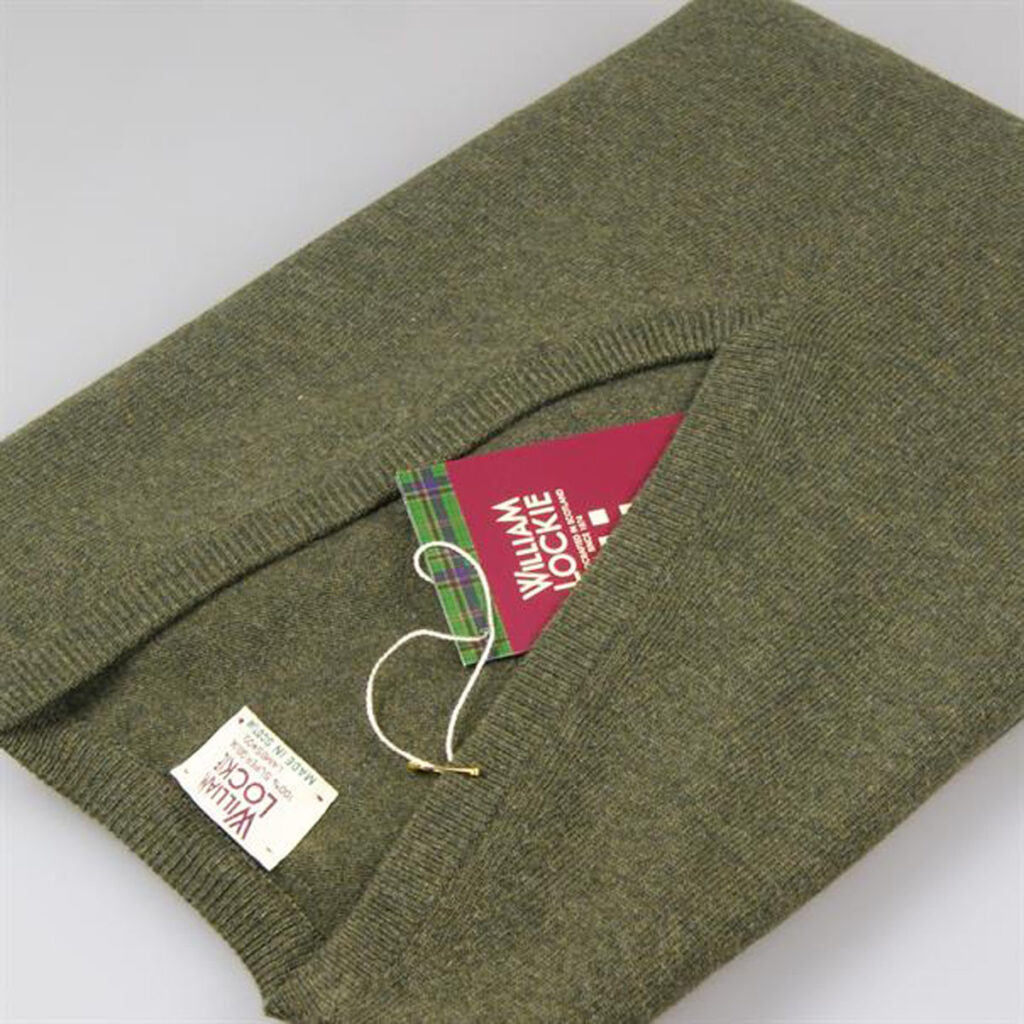
The words leisurewear and loungewear have an unpleasant ring in the ear of the classically dressed man. Clothing of that category has no place in his wardrobe. He owns clothes and shoes for the country or for a weekend in town, but in principle he always dresses by the basic formula of shirt, trousers, socks, shoes and a jacket, or, in the evening or off duty, a V-neck sweater in lambswool. The V-neck is indispensable for relaxed moments. Always with a shirt, of course. It works with suit trousers or chinos, with corduroy or jeans. Study photographs of really well dressed men from the second half of the twentieth century and you will always come across this sweater. The Italians love it as much as the British, except that the Italians sometimes wear it draped over the shoulders. British style does not provide for that, though it is slowly becoming accepted. In principle the sweater is still put on. When it gets too warm for it, and the British get too warm quickly, since they are used to cold houses, you take it off. As an example we show the almost iconic V-neck by William Lockie from the range of the Dutch outfitter Shoes & Shirts in Maastricht.
10. The hat
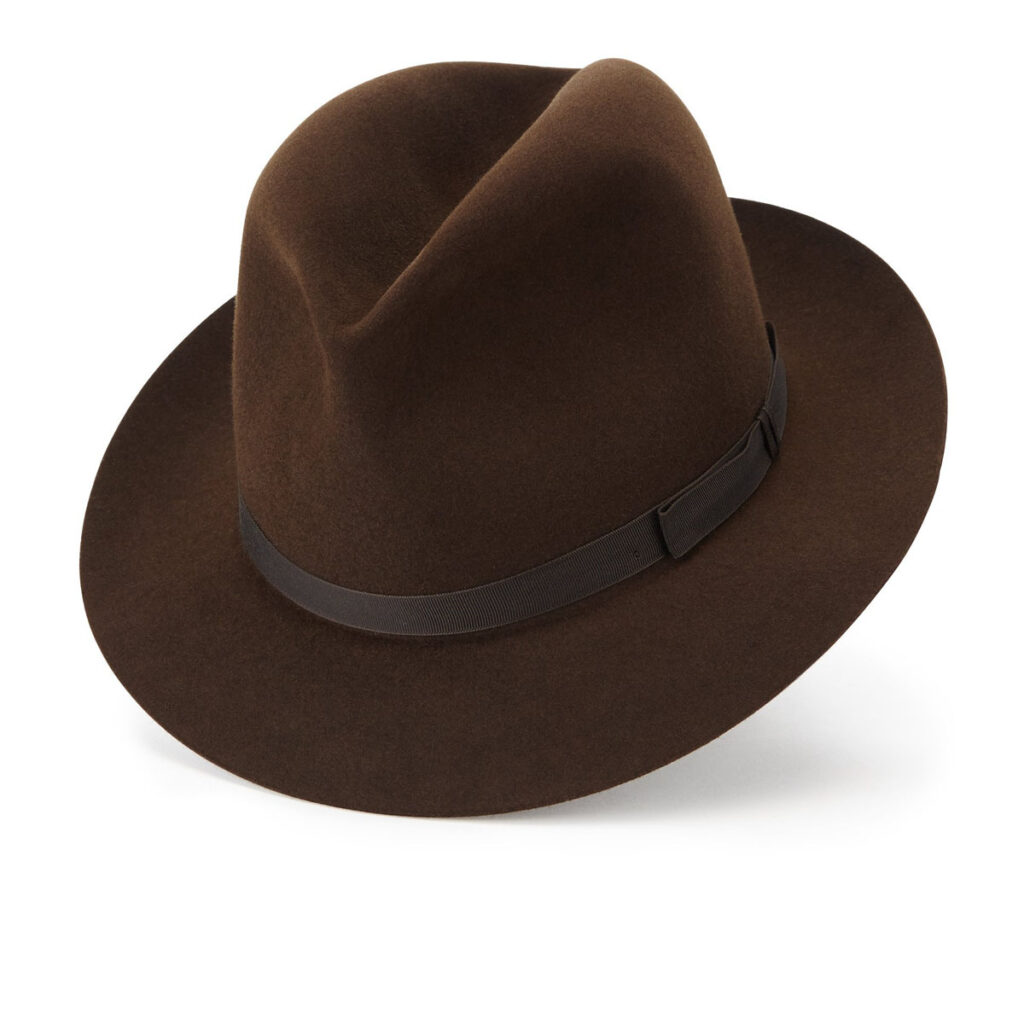
Is the hat really essential? I would say clearly yes. The hat was always the gentleman’s headwear. Caps are worn more in the country, but never as a substitute for a hat in town. If you wear a hat, you wear it only in the street and not indoors in private. So you keep it on in the station concourse, but not in a flat or a restaurant. That is what distinguishes the classic hat wearer from the fashionable ones, who keep their headgear on at all times. Religious reasons for wearing a hat constantly are of course to be respected; they are not relevant in this context. The classic hat is not as broad-brimmed as the poet’s or the adventurer’s, but its brim is not too narrow either. A brown trilby is ideal, here an example from the range of Lock Hatters in London.

