Diesen Beitrag gibt es auch auf Deutsch. Auf Deutsch lesen →
A man who decides on bespoke for the first time has usually thought about the step for a long time. One central question in those deliberations is surely how and where to find the right tailor for his own needs. Should he trust a renowned and usually expensive house, or take a chance on a lesser-known, perhaps cheaper tailor? Cheaper tailors often do good work. The large price differences between bespoke tailors have mostly to do with rent and wages: a tailor in a country with lower costs can calculate a lower price.
One works fast, another slowly. One works fast and well, and the other slowly and no better.
What price reveals, and what it does not
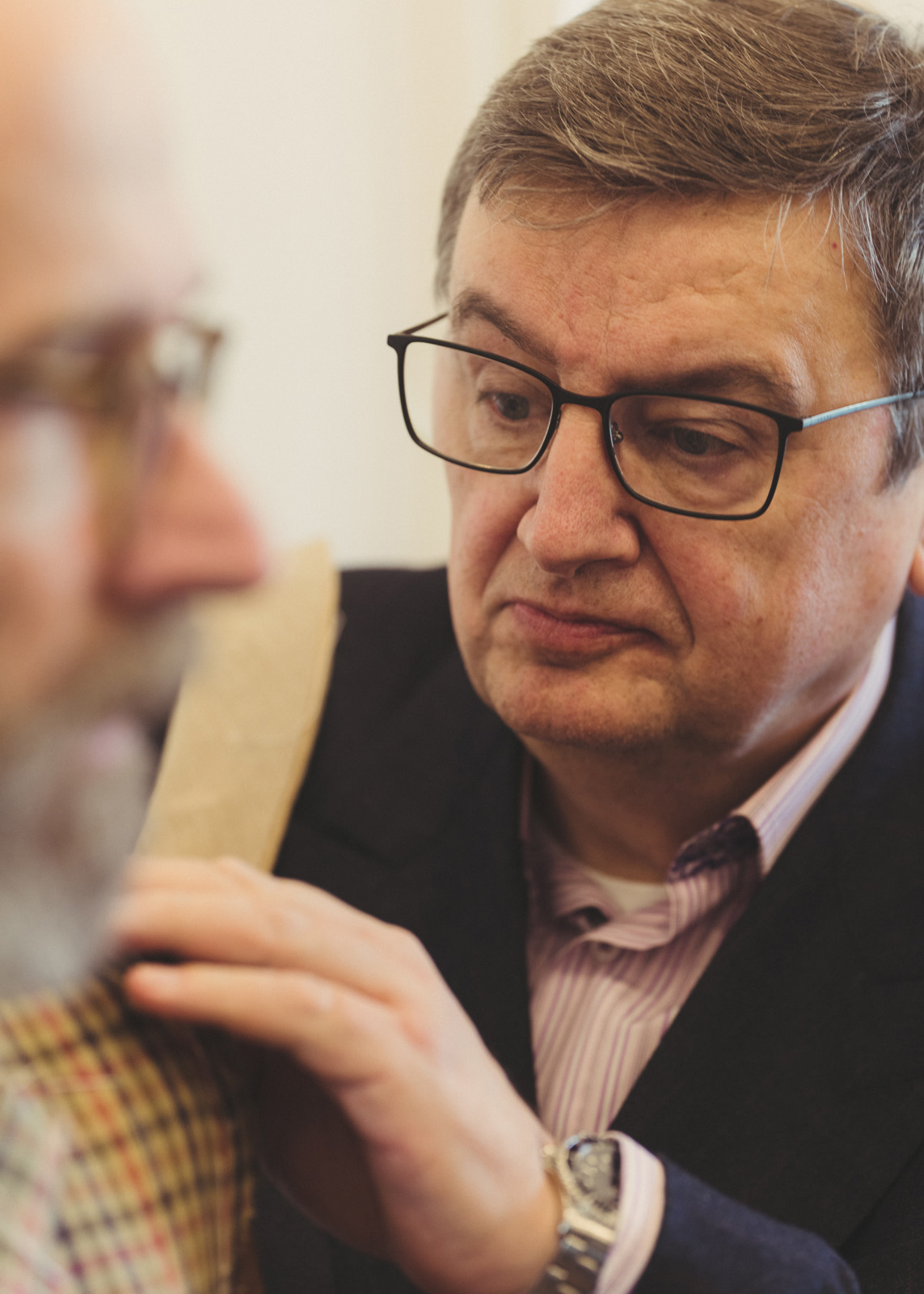
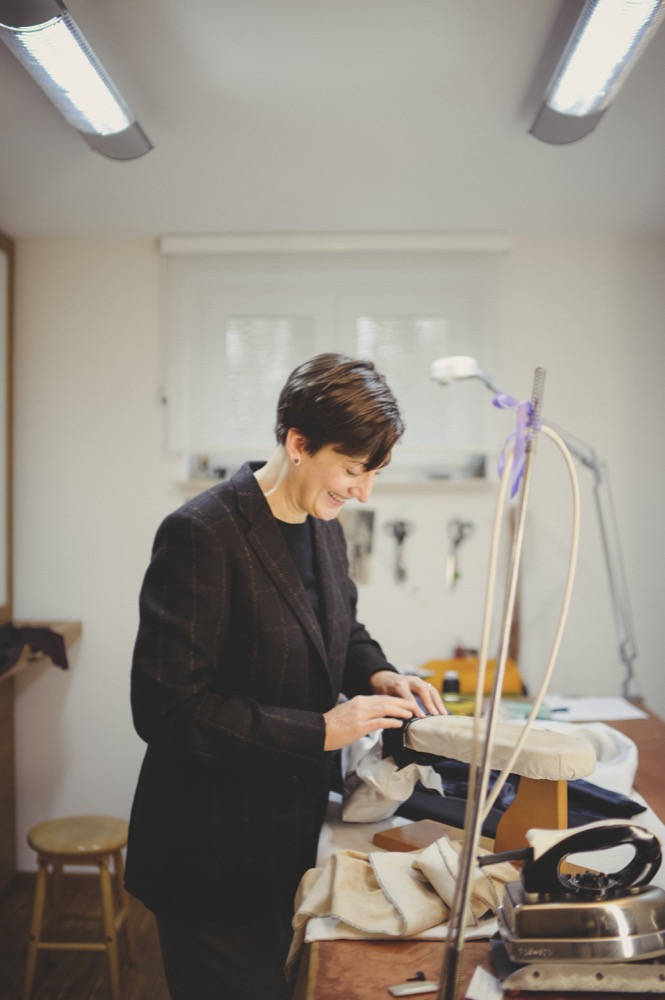
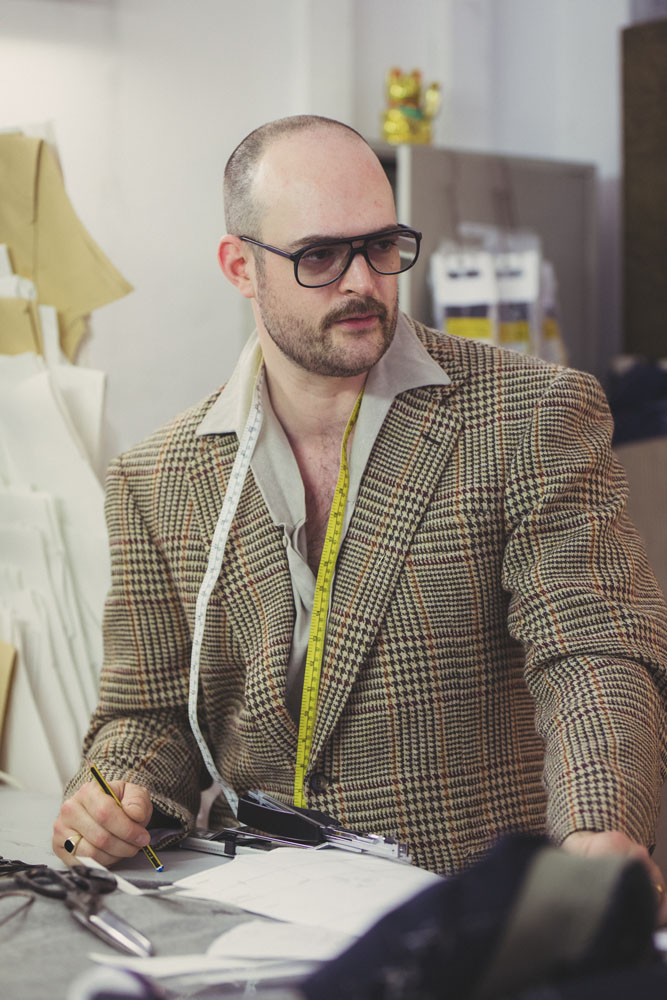
Prices are a marketing instrument. A high price suggests high quality; low prices make some customers suspect the tailor does poor work. German tailors in particular like to argue from the many hours involved. Customers are less interested in that argument, because multiplying hours by an hourly rate ignores the individual pace of work. One works fast, another slowly. One works fast and well, and the other slowly and no better. That is why it matters so much to look closely at the work of the tailor you are considering. Ideally you know several of his customers. The tailor’s own appearance, incidentally, tells you little. There are very good tailors who dress casually and sportily, especially in small workshops where the master works at the bench himself. Not every tailor likes to work in a suit, shirt and tie. Elegantly dressed tailors advertise their atelier well, but too much elegance can also intimidate new customers, or give the impression that the tailor is more interested in his own appearance than the customer’s.
A recommendation beats advertising
A personal recommendation is one of the most reliable signs. When someone you know wears a particularly fine piece and names an unfamiliar address as its source, he may just have let a well-kept secret slip. In that case you can happily overlook shortcomings in the showroom or in the tailor’s own dress and await the first fitting with confidence. Small workshops in particular often offer a very personal, almost self-sacrificing service. The owner comes to the office for the fitting, or to your home on a Sunday. If you move to another city, many kilometres are often driven so you can try the new jacket. Perhaps the person who passed on the tip can come along to the first appointment. Tailors are not always the best communicators, and some are unfortunately swayed by the bearing of a new customer. A man who arrives with an established client is, as a rule, well looked after from the start.

Italy or home
Many aspiring bespoke clients are set on having their clothes made by an Italian. They do not credit craftsmen from other countries with delivering an elegant garment or meeting their taste. The journey to the tailor is no burden to them but part of the pleasure. I have several acquaintances who travel regularly to Italy to visit their tailor, sometimes staying two or three days so they can have two fittings at once. There is little to object to in that. A man with a weakness for the Italian style should have his clothes made by an Italian, provided he can communicate with the tailor. Many Italian tailors now speak English well enough, or have staff who can translate. If you intend to work in the tailor’s own style anyway, little needs to be said during the order or the fittings. But if something goes wrong and you want to complain, the lack of a common language proves a disadvantage. The tailor who seemed to understand everything at the order suddenly meets your complaint with a blank look, and the member of staff who used to translate is nowhere to be found. So take precautions and, for the event of a complaint, keep to hand someone who can conduct the necessary conversations.
When budget is no object
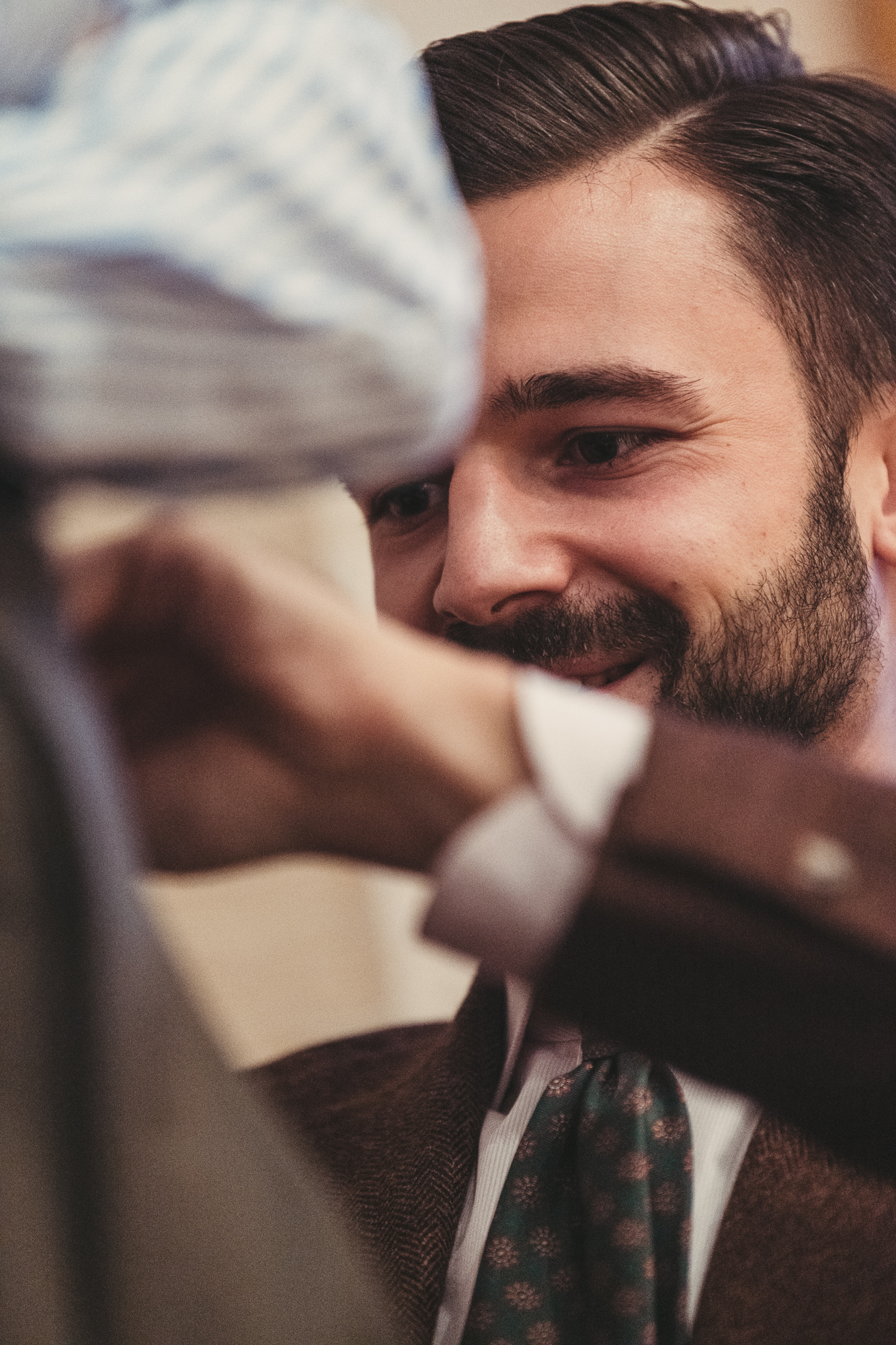
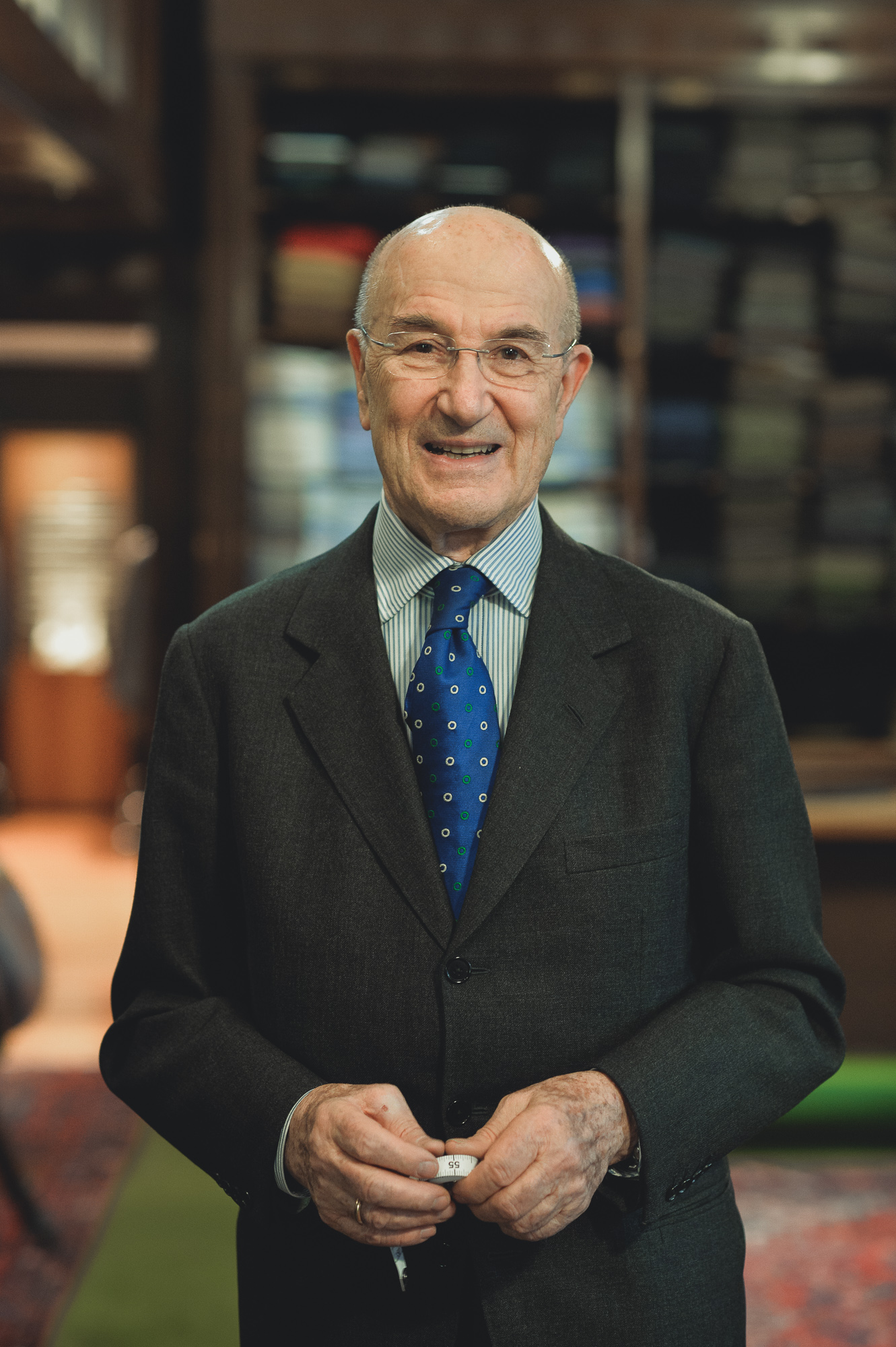
When budget sets no limits, the aspiring client can plan the first time entirely as he pleases. Even so, think carefully about whether the famous address in Paris, London, Milan, Naples or Vienna really is the ideal starting point. You will certainly be well looked after by a famous tailor. Whether prices from 5,000 euros upward are truly justified is another matter. A good middle way is an established workshop in the medium to upper price range. A friend of mine who had long dreamed of an Italian tailor chose Gennaro Solito in Naples after a first meeting. Solito is highly regarded in Italy and works for a number of clients from the textile industry, and his prices are moderate compared with German or Austrian tailors. My friend was very satisfied, though he now has most of his clothes made by a less well-known and slightly cheaper tailor in Naples. To another acquaintance who had no time for regular trips to Italy I recommended Massimo Pasinato of Vicenza, who also works at a relatively affordable rate and, until the coronavirus, came to Germany regularly.
Travelling tailors and their pitfalls
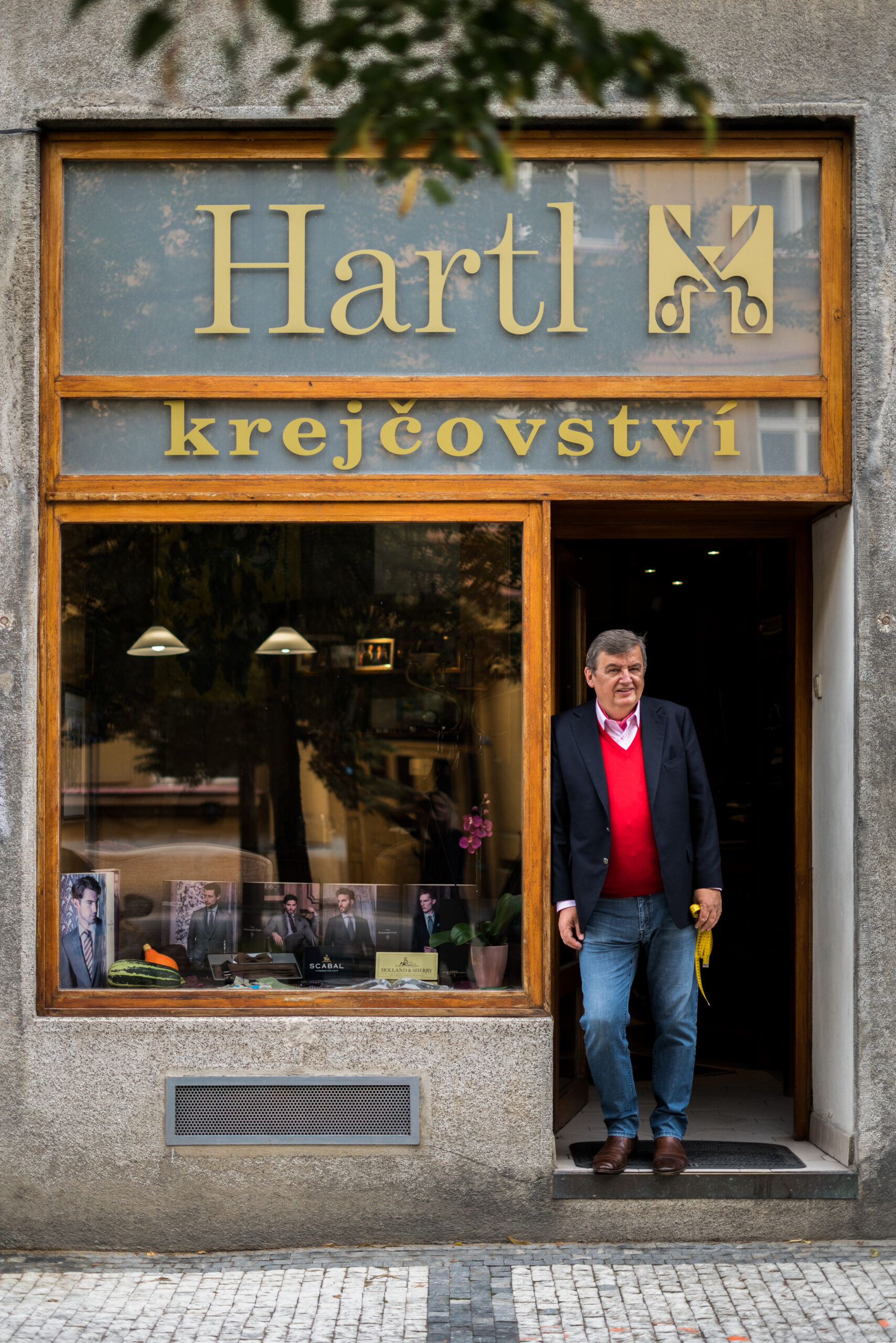
Anyone deciding today on a tailor from abroad should factor in the experience of the spring 2020 lockdown. Salon Hartl of Prague, for example, could not travel to its customers in Vienna for several months, but resumed as soon as the borders were open again. A tailor within three to five hours of Germany or Austria by train or car can be visited without much trouble when needed. A tailor from further afield often proves too far out of reach, which also matters for complaints. It is annoying when a finished garment needs a small alteration and the tailor will not be in the country again for another six months.
in Berlin.
Josef Blecha in Vienna.
Read more on Simon Crompton’s Permanent Style
Bernhard writes occasional guest articles for Permanent Style, Simon Crompton’s English-language magazine.
- The best German tailors working today. Bernhard’s overview of the best German bespoke tailors.
- The state of German bespoke tailoring. Bernhard’s survey of German bespoke tailoring today.

