Comments or questions? Bernhard Roetzel replies.
Diesen Beitrag gibt es auch auf Deutsch. Auf Deutsch lesen →
Als vor über 20 Jahren der Hamburger Fotograf Christian Kerber Fotos von mir für meine Webseite gemacht hat, war darunter auch ein Bild, das mich in Sportswear zeigte.
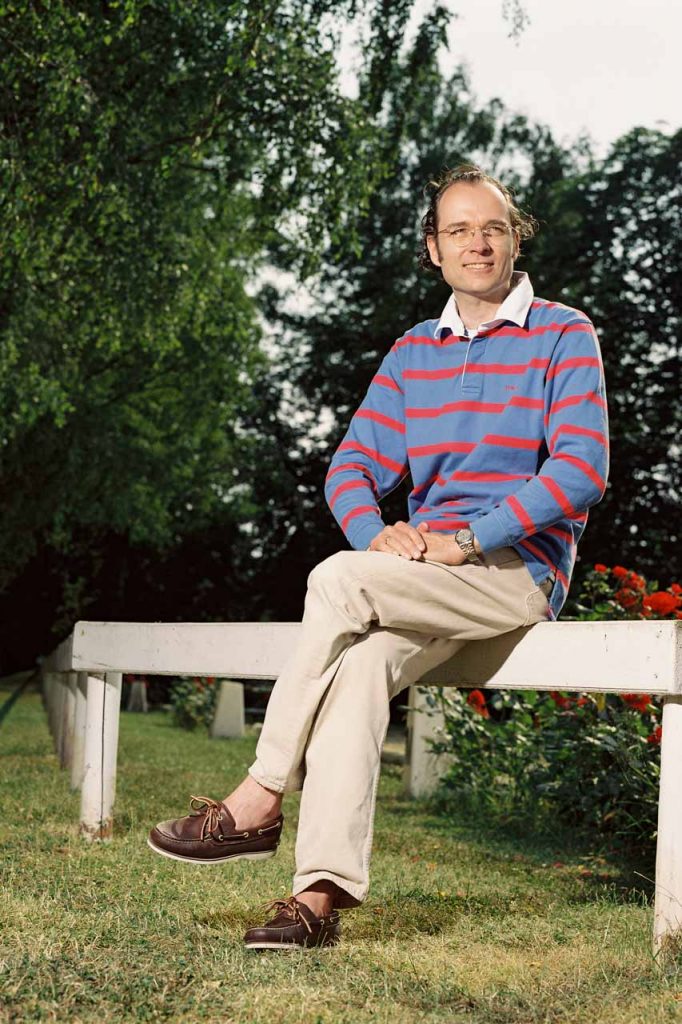
Ich trug ein Rugbyshirt von Hackett, eine 501 von Levi’s und an den Füßen Bootsschuhe von Timberland. Sie waren damals ganz neu. Bis vor etwa 3 Jahren habe ich sie jeden Sommer getragen, meistens ohne Strümpfe.
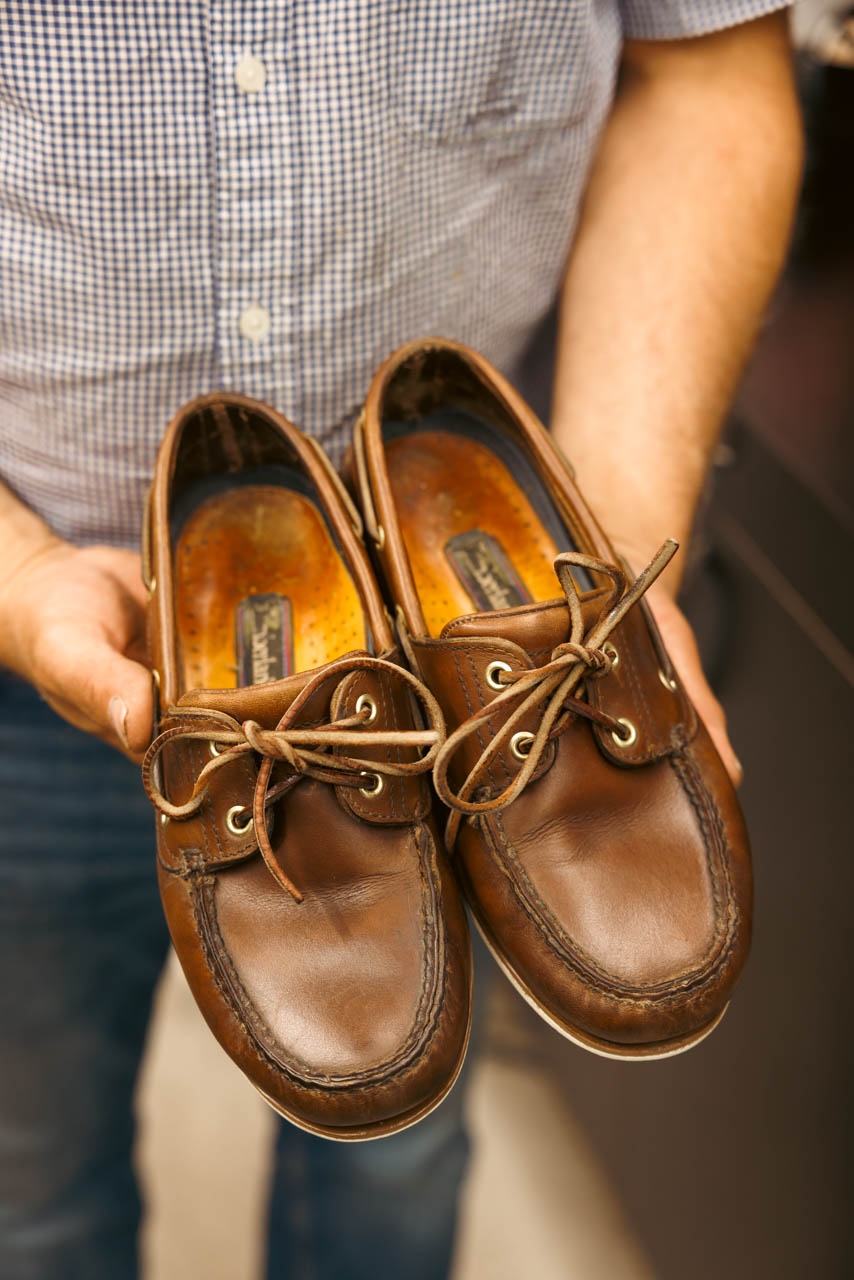
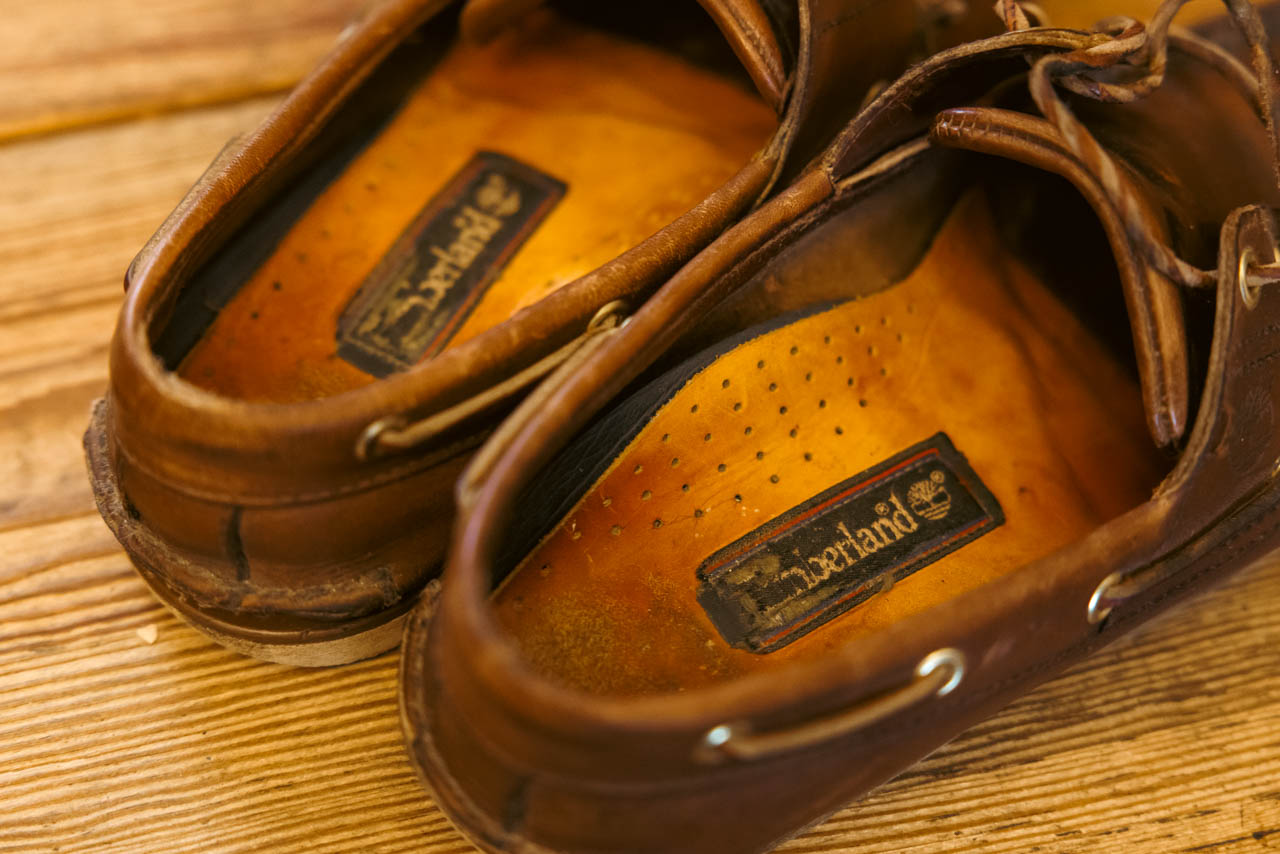
Over 20 years old: my Timberland boat shoes
At the time they were almost the only shoes in my wardrobe that were not welted. Apart from two pairs of hand-stitched Norwegian shoes, heavy veldtschoen derbies, a pair of classic Gucci loafers, two pairs of cemented velvet slippers and a pair of cemented evening pumps.
I had actually meant to buy Sperry Top-Siders or boat shoes by Sebago, but could not find them. So I settled on this Timberland model. It had the typical white sole designed for use on deck. No cushioning, an unlined moccasin that adapted itself exactly to my feet over time.
The damage after two decades
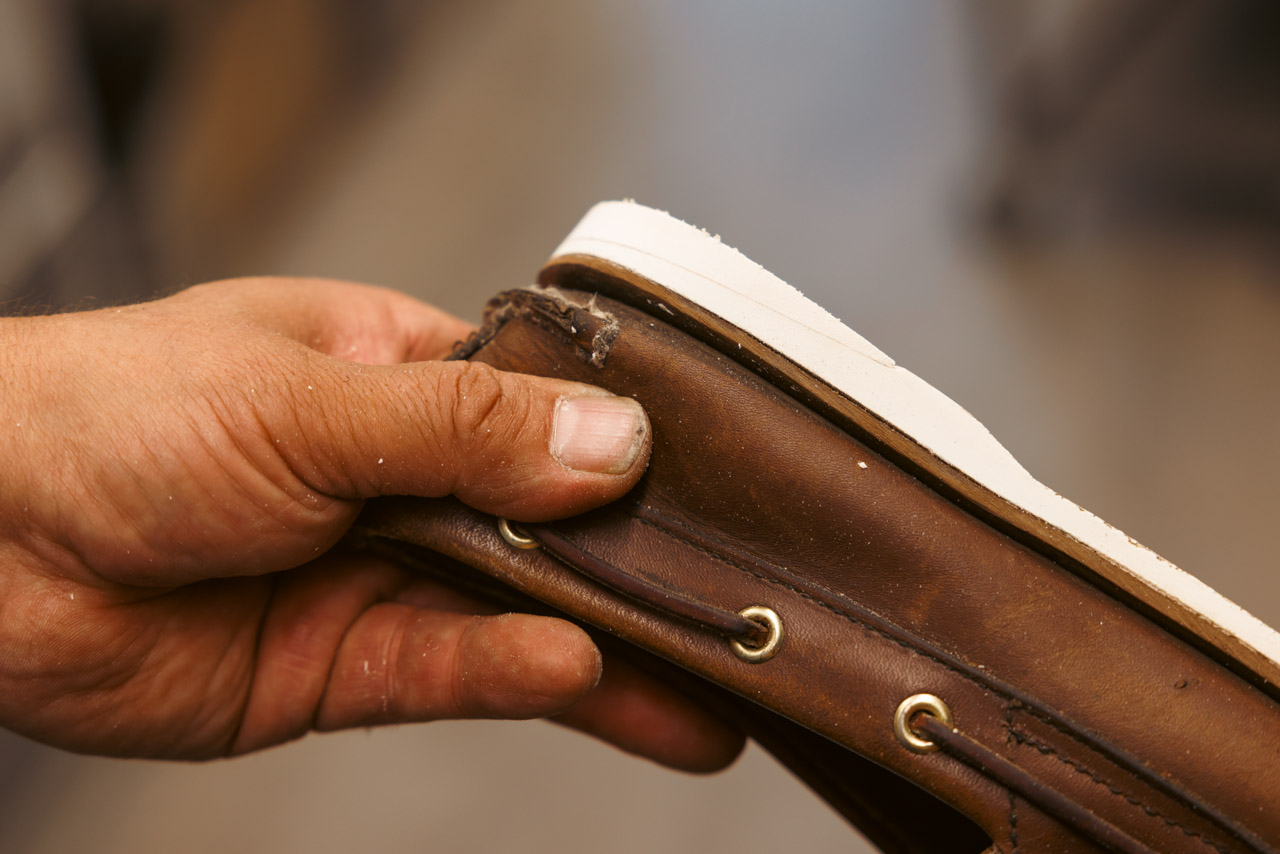
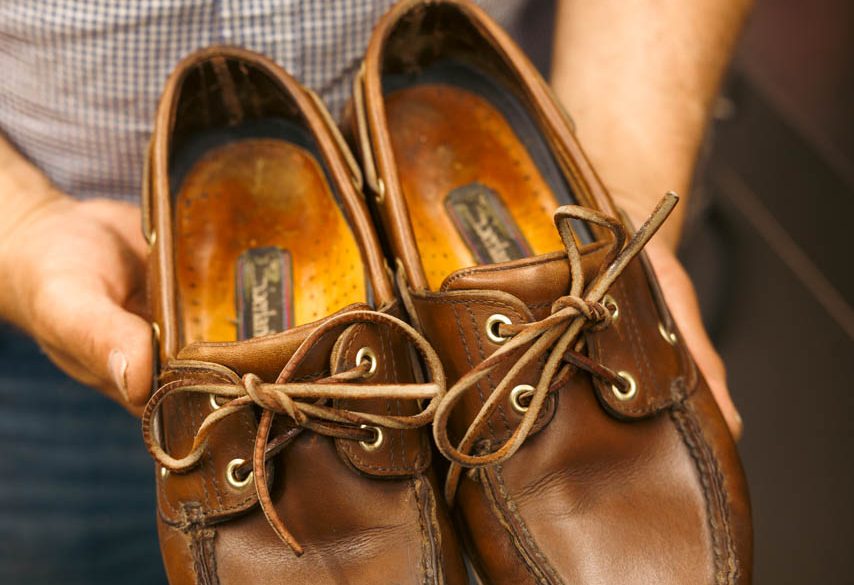
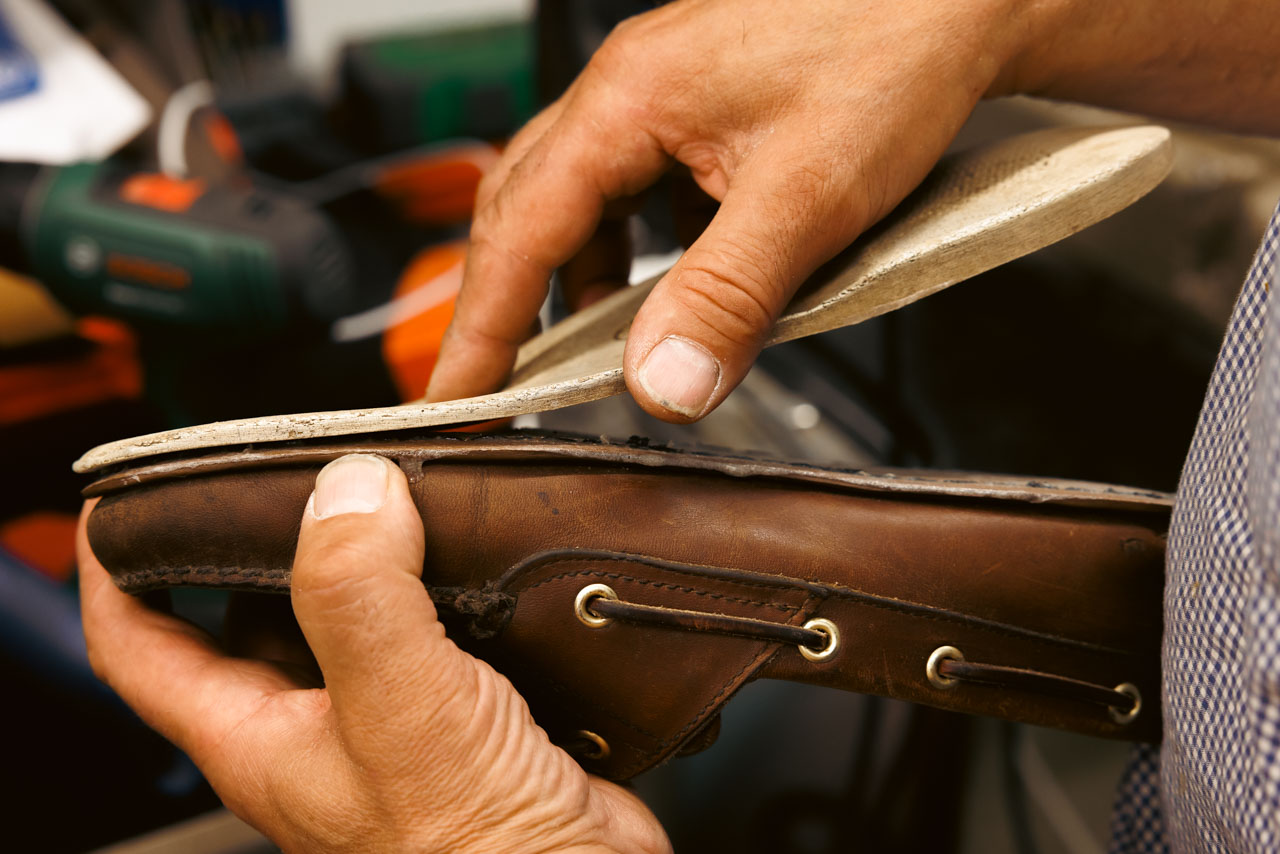
About three years ago the stitching that holds the outsole to the upper came away on one of the pair. On top of that the seam had opened at one point on the upper leather. The latter did not affect the function of the shoe, but the sole would have separated further and further from the upper over time.
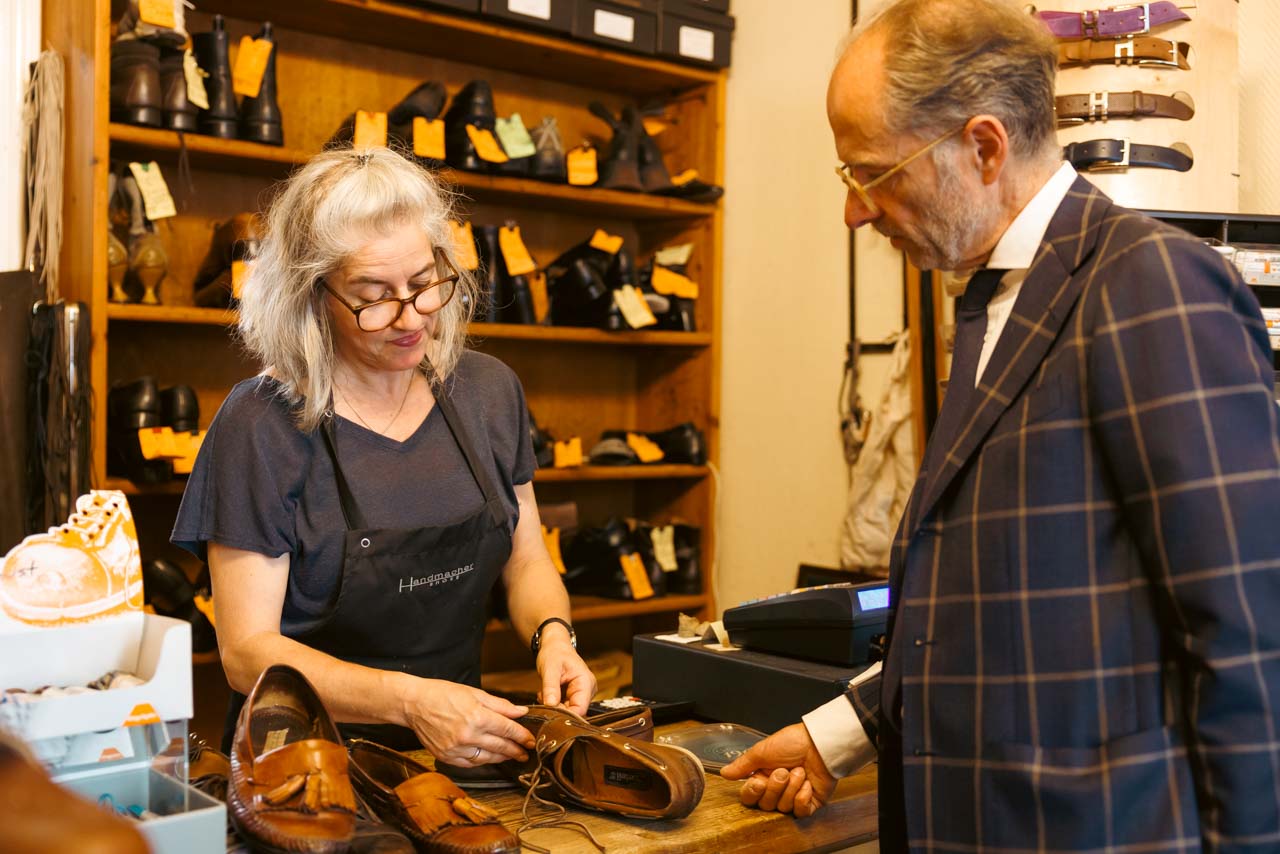
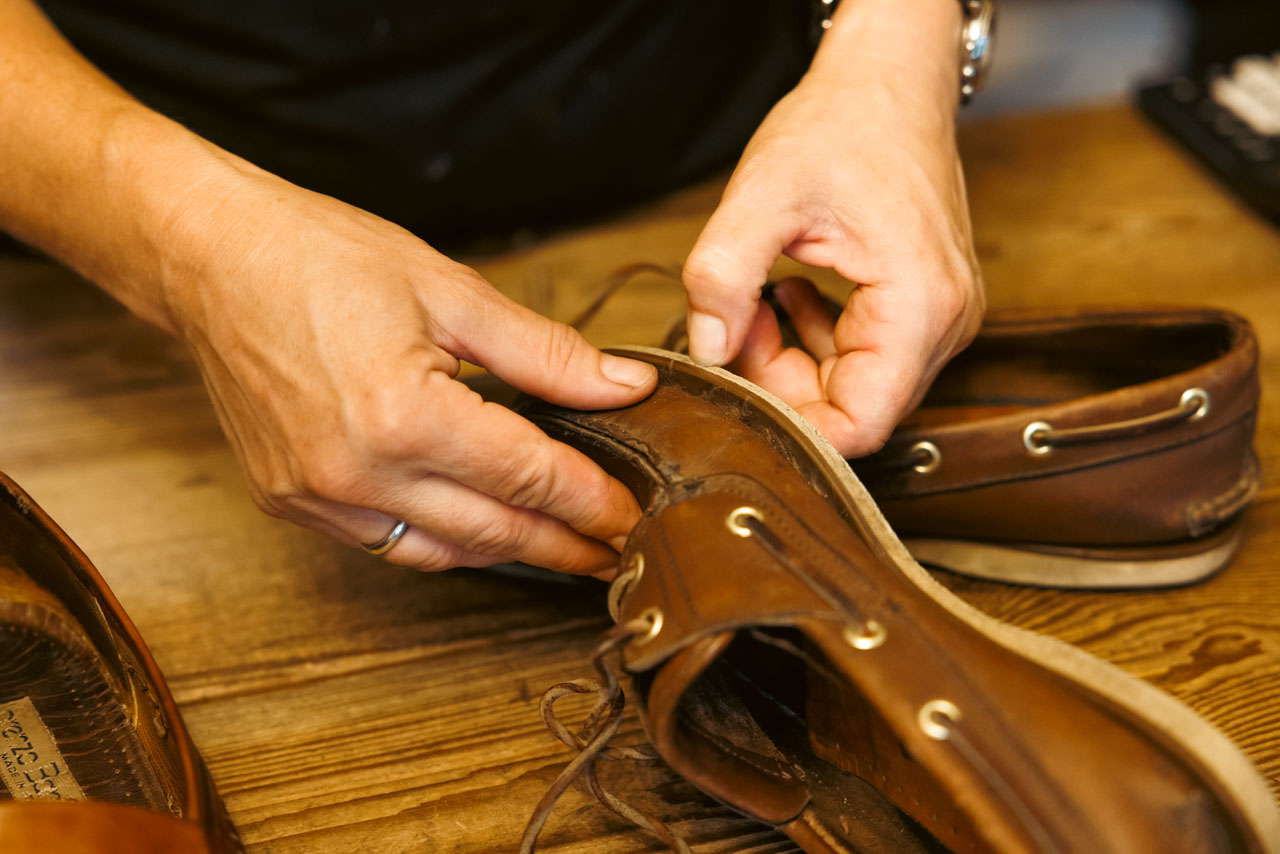
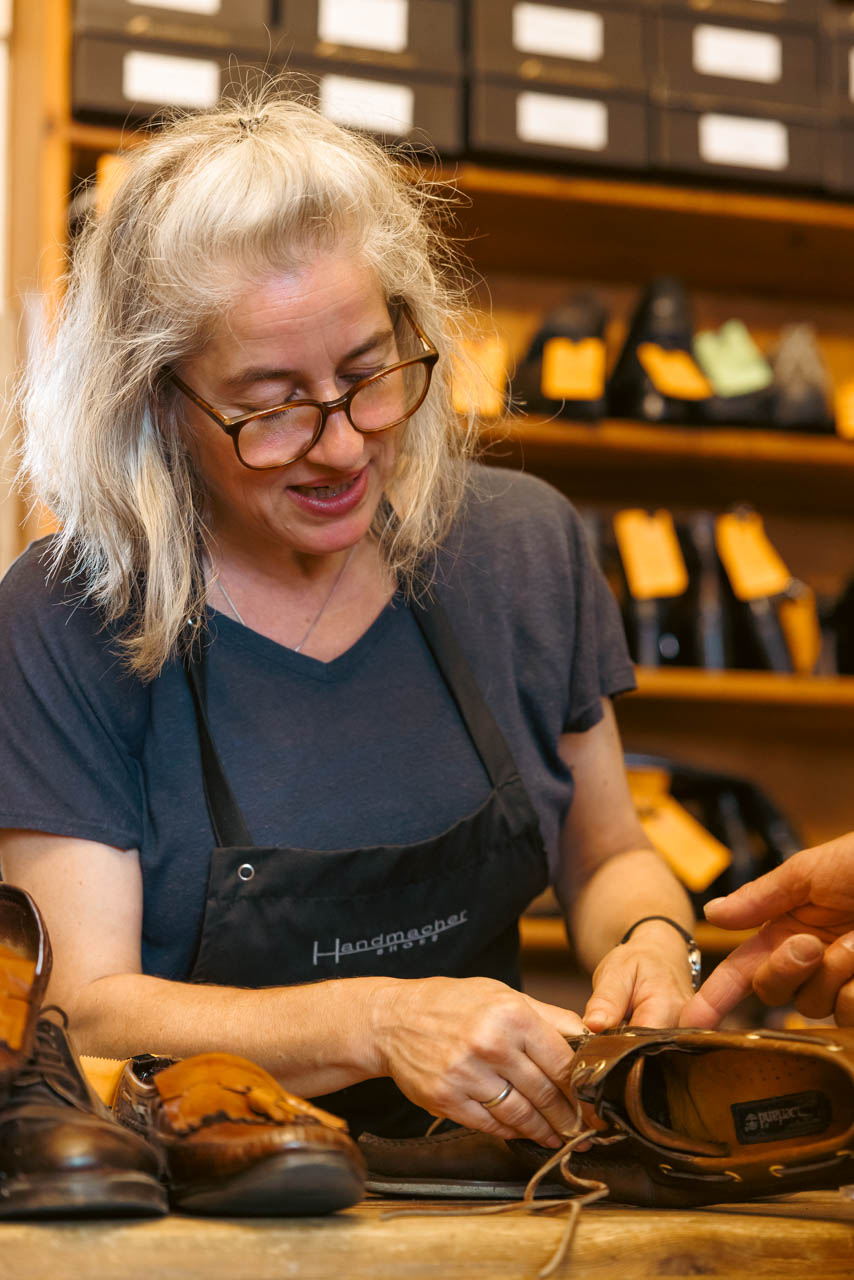
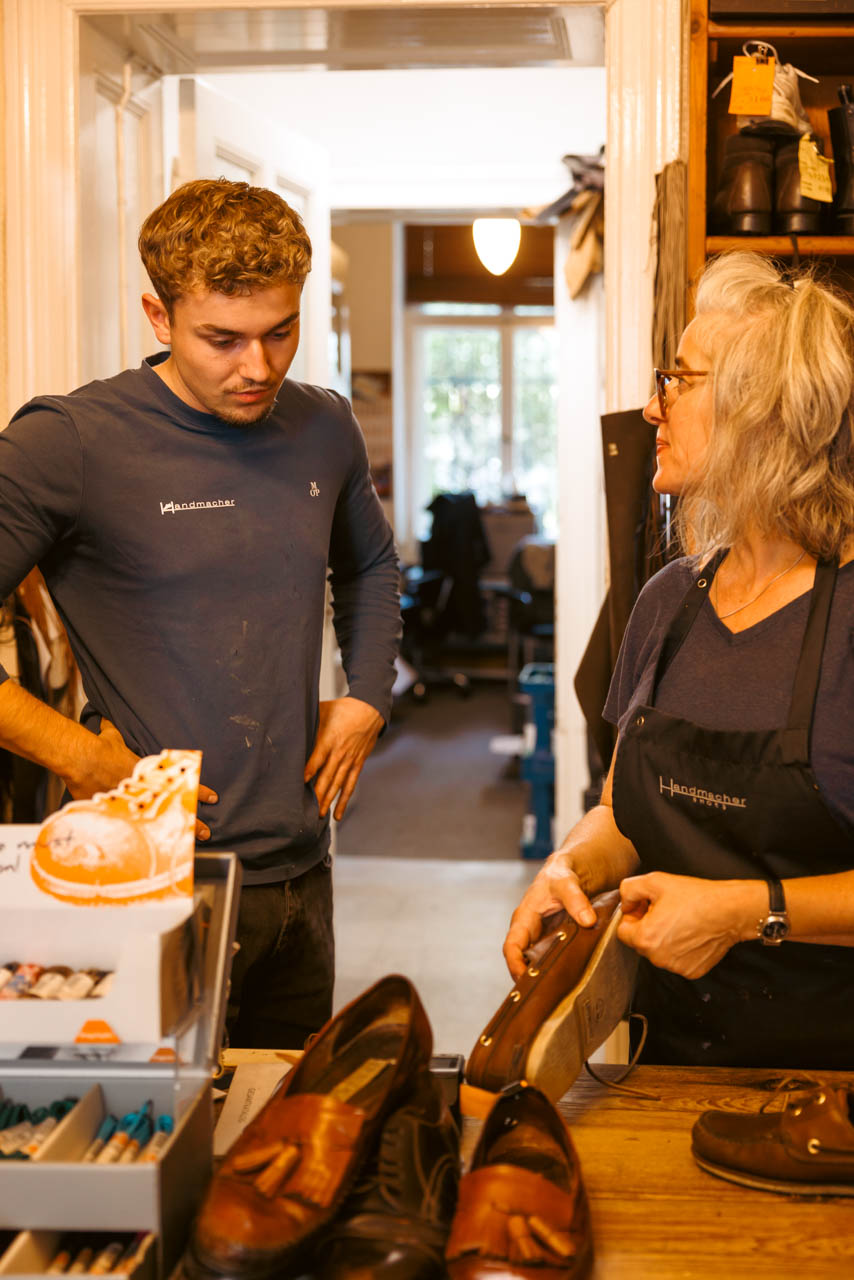
So I stopped wearing the shoes for a while. This spring I hit on the idea of having them repaired by Stephan Pöschk in Berlin. I had got to know him when I ordered a pair of Norwegian shoes in deerskin from Handmacher through him.
How the repair went
Stephan Pöschk suggested replacing the soles rather than only renewing the worn corners at the heels. I decided against new soles, since they were not worn through overall. Otherwise the upper leather was to be patched and the sole stitched back to the upper.
By hand, with a needle and a good eye
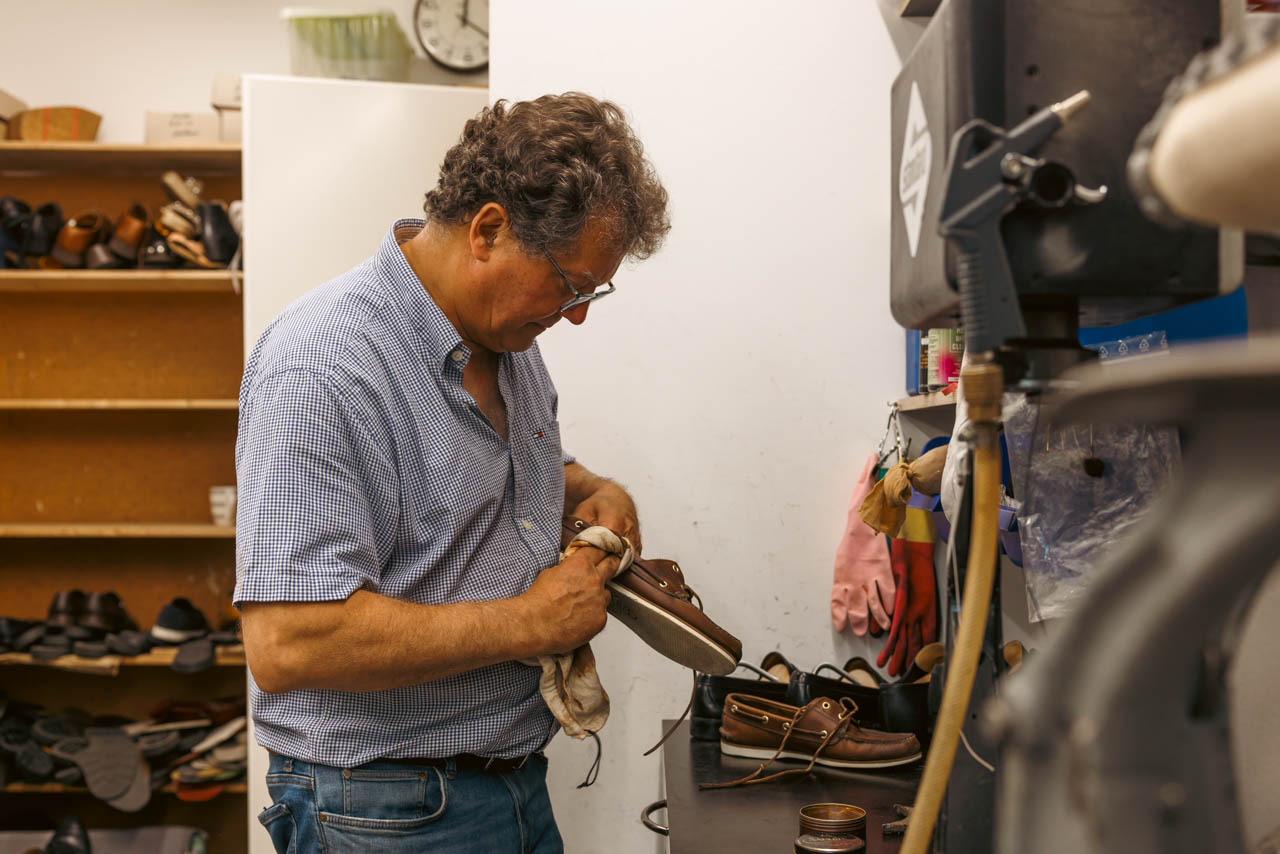
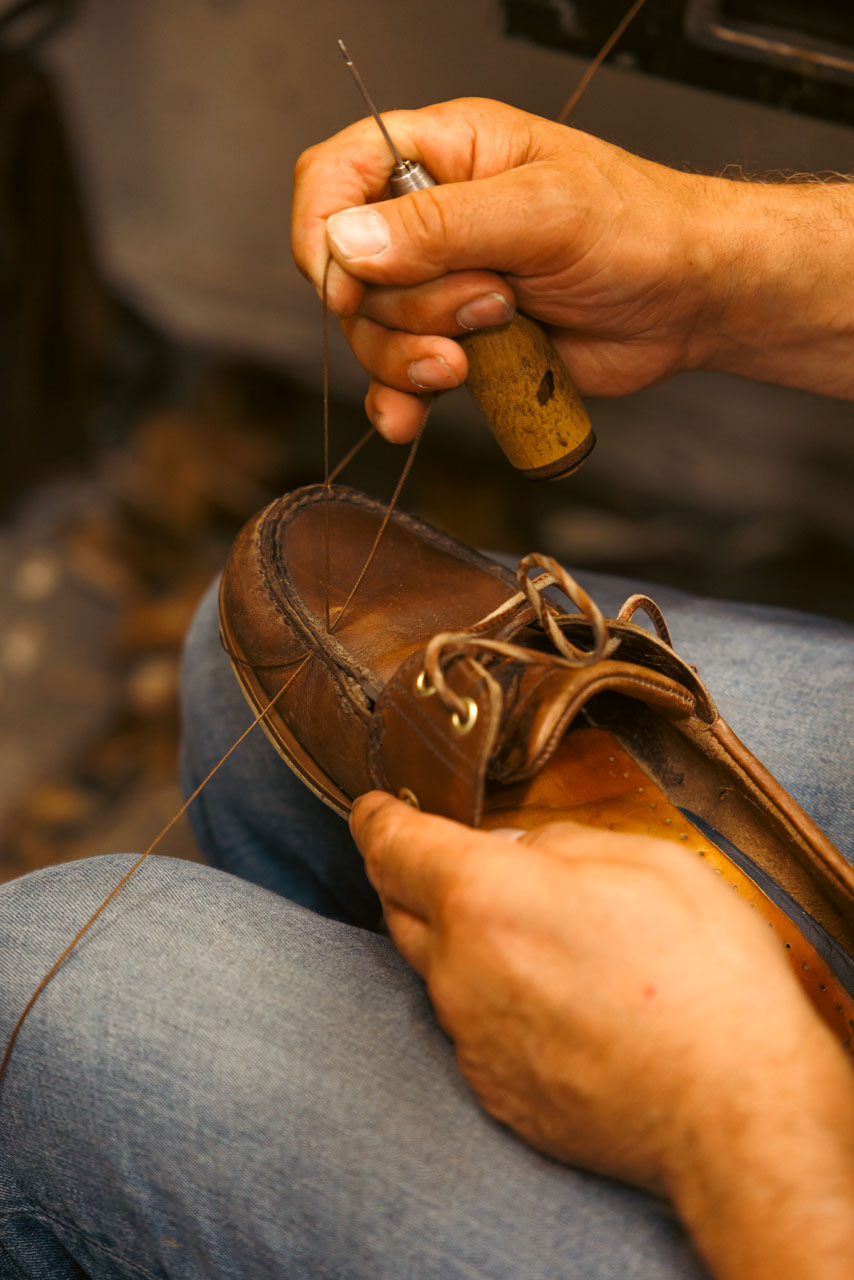
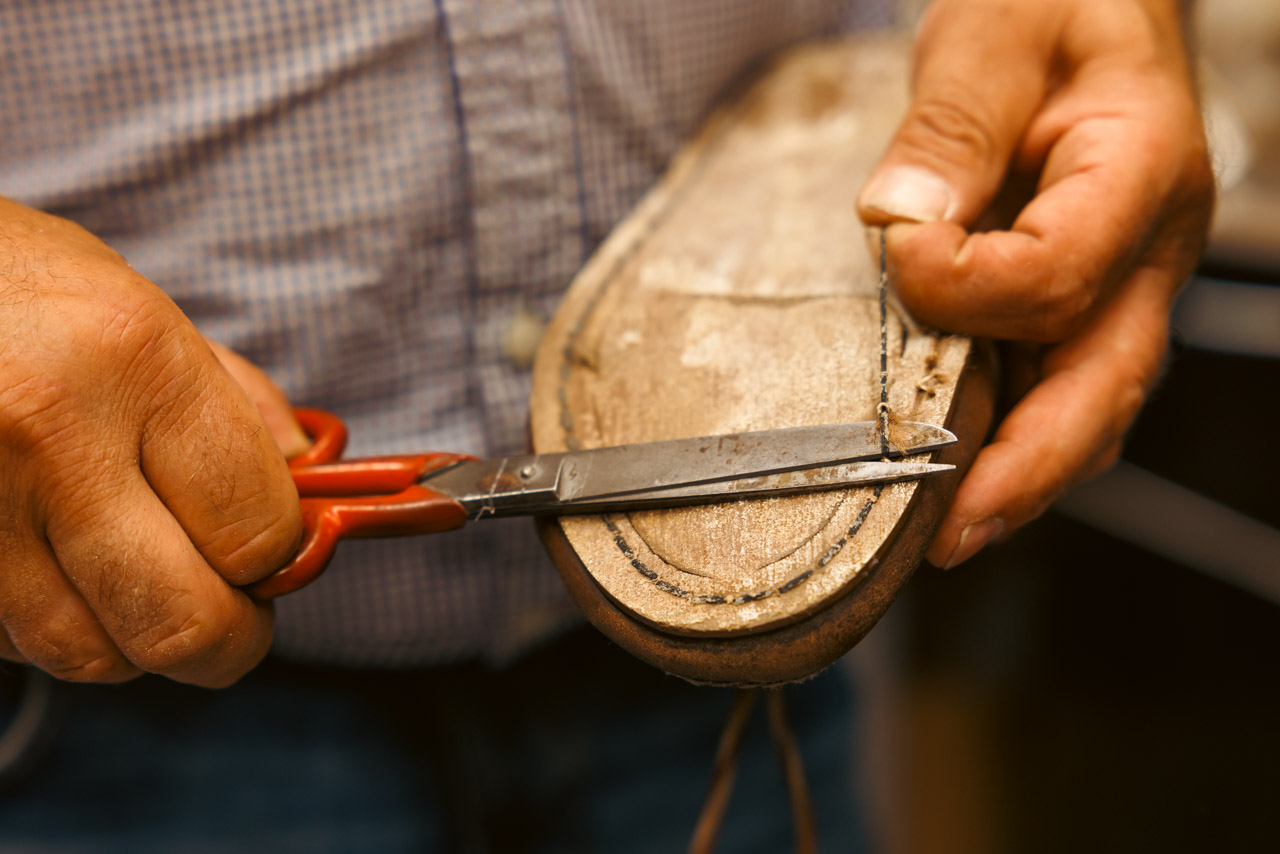
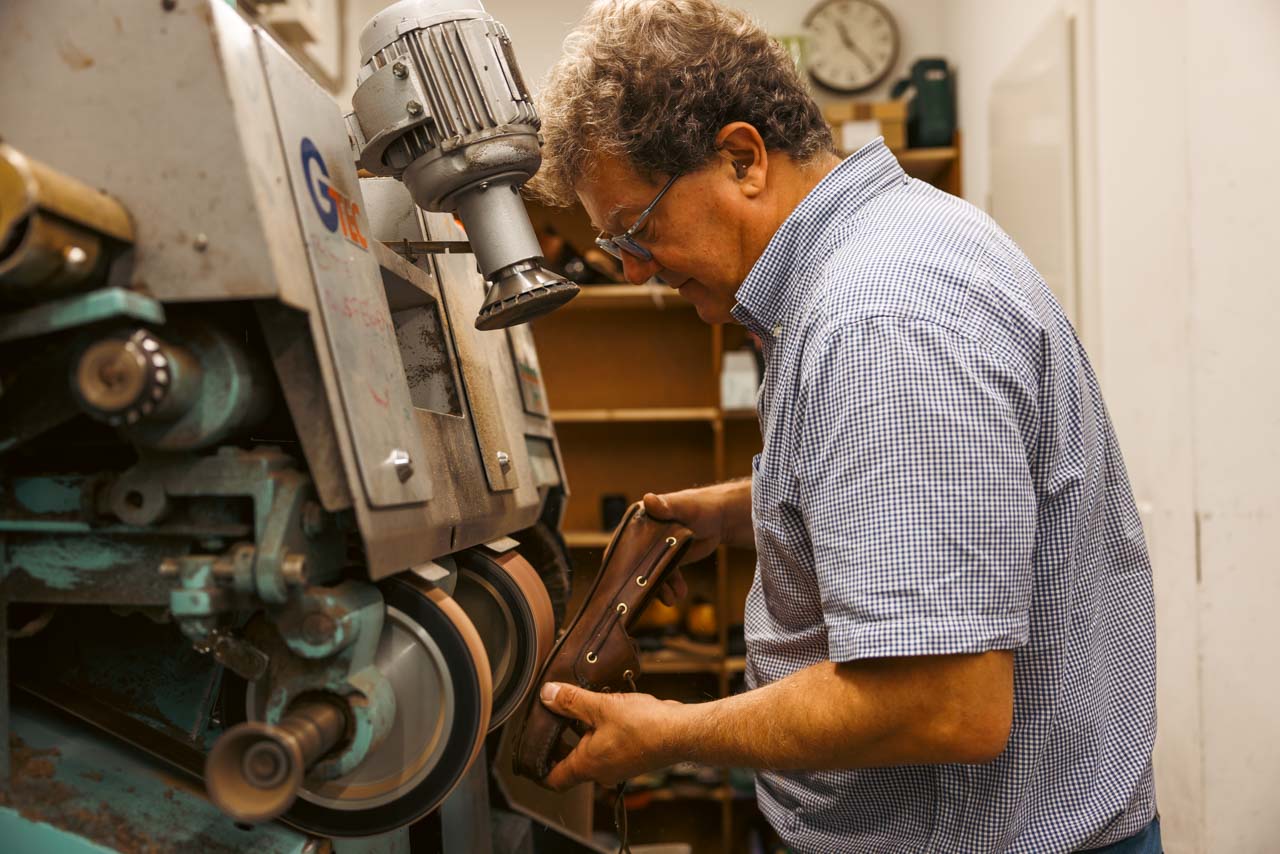
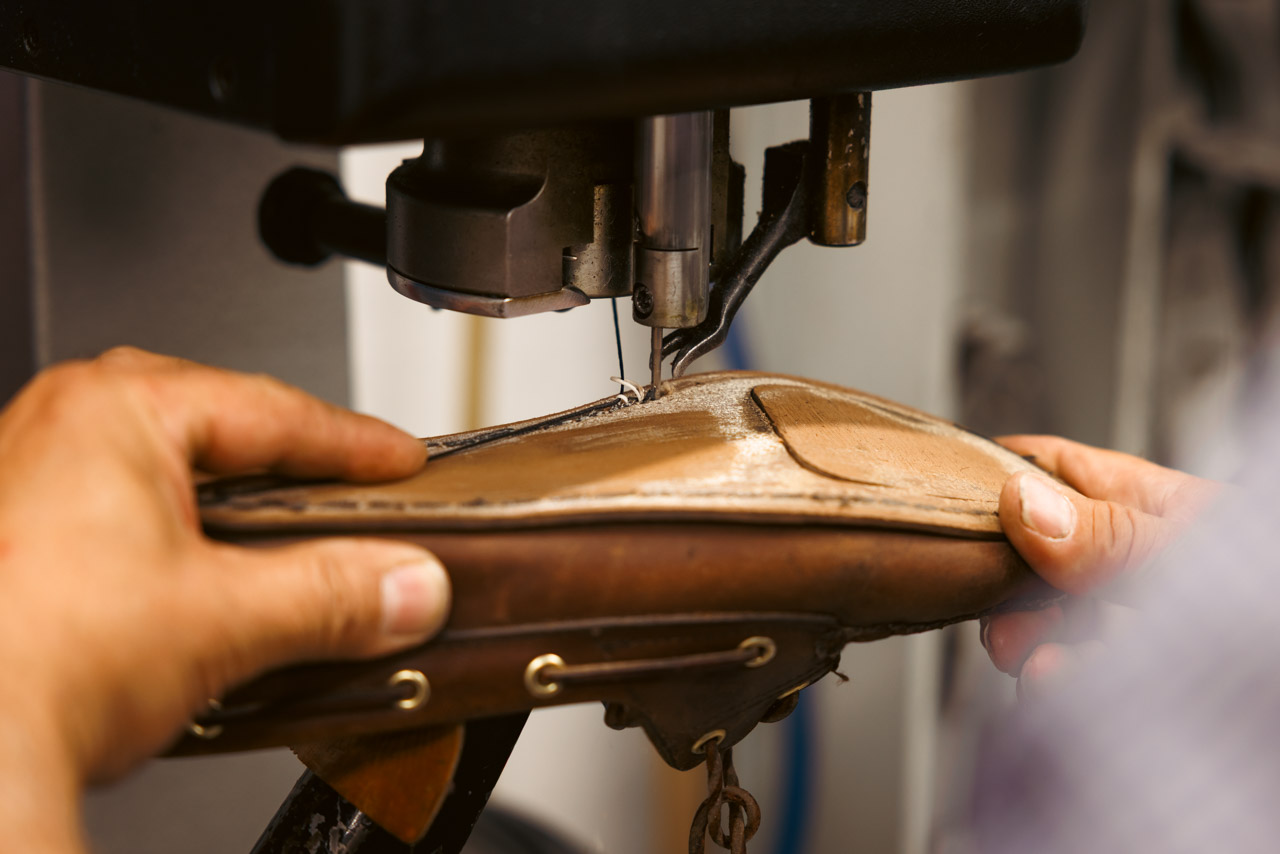
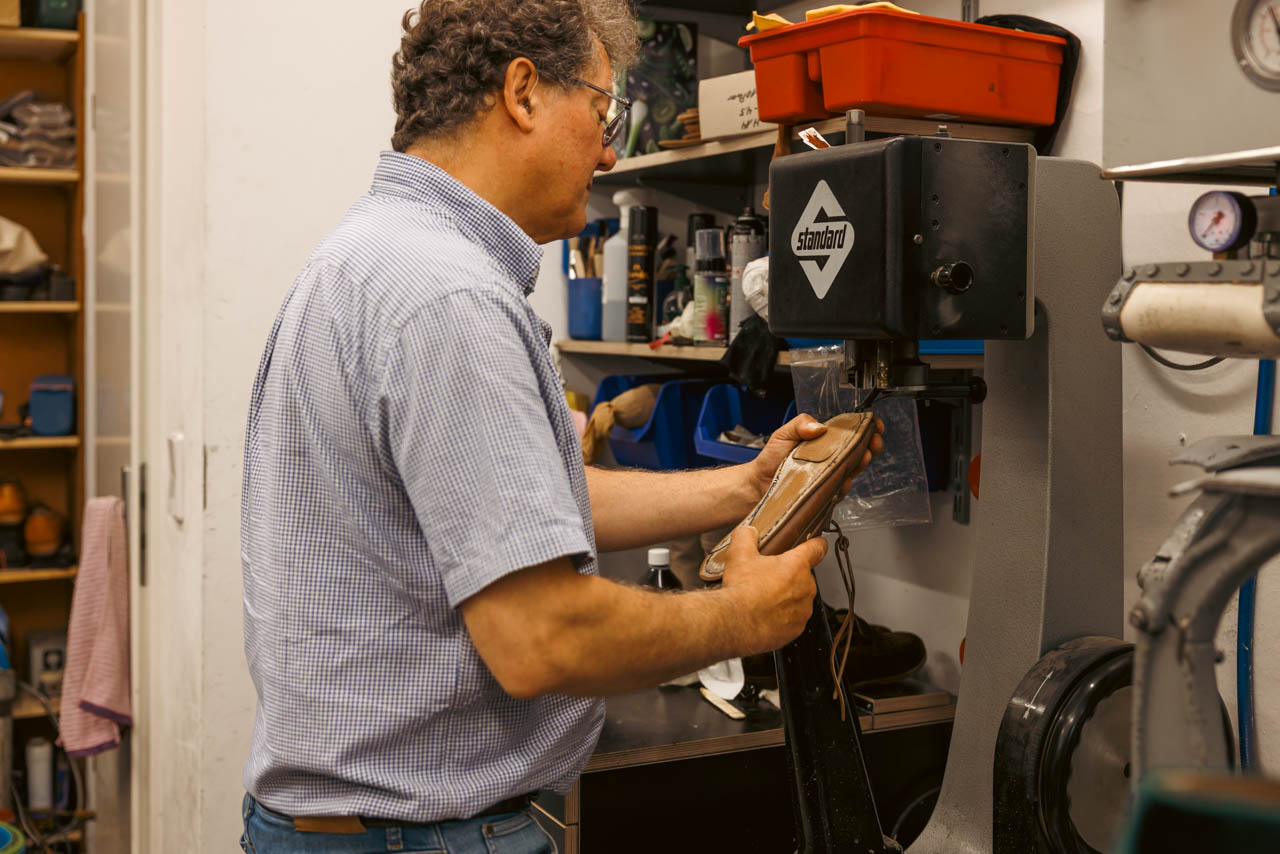
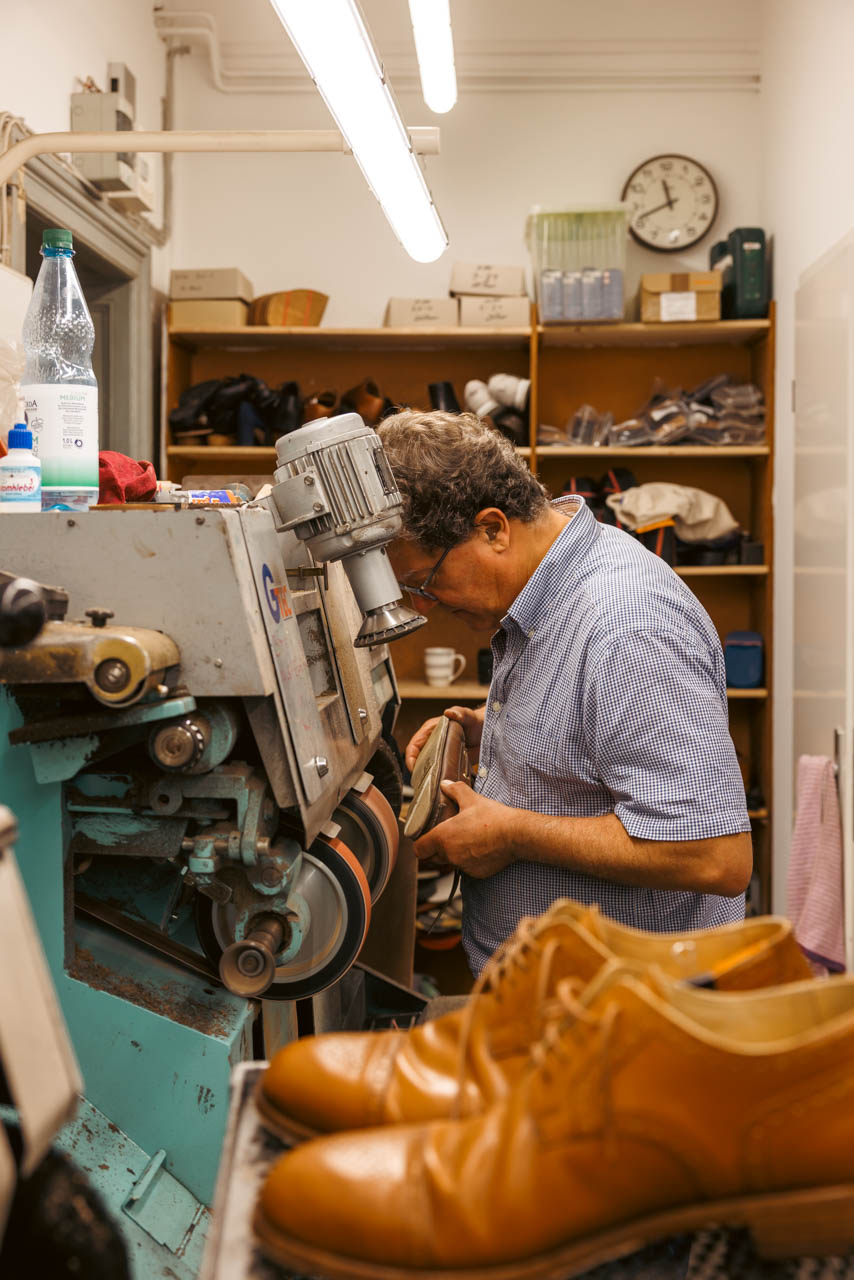
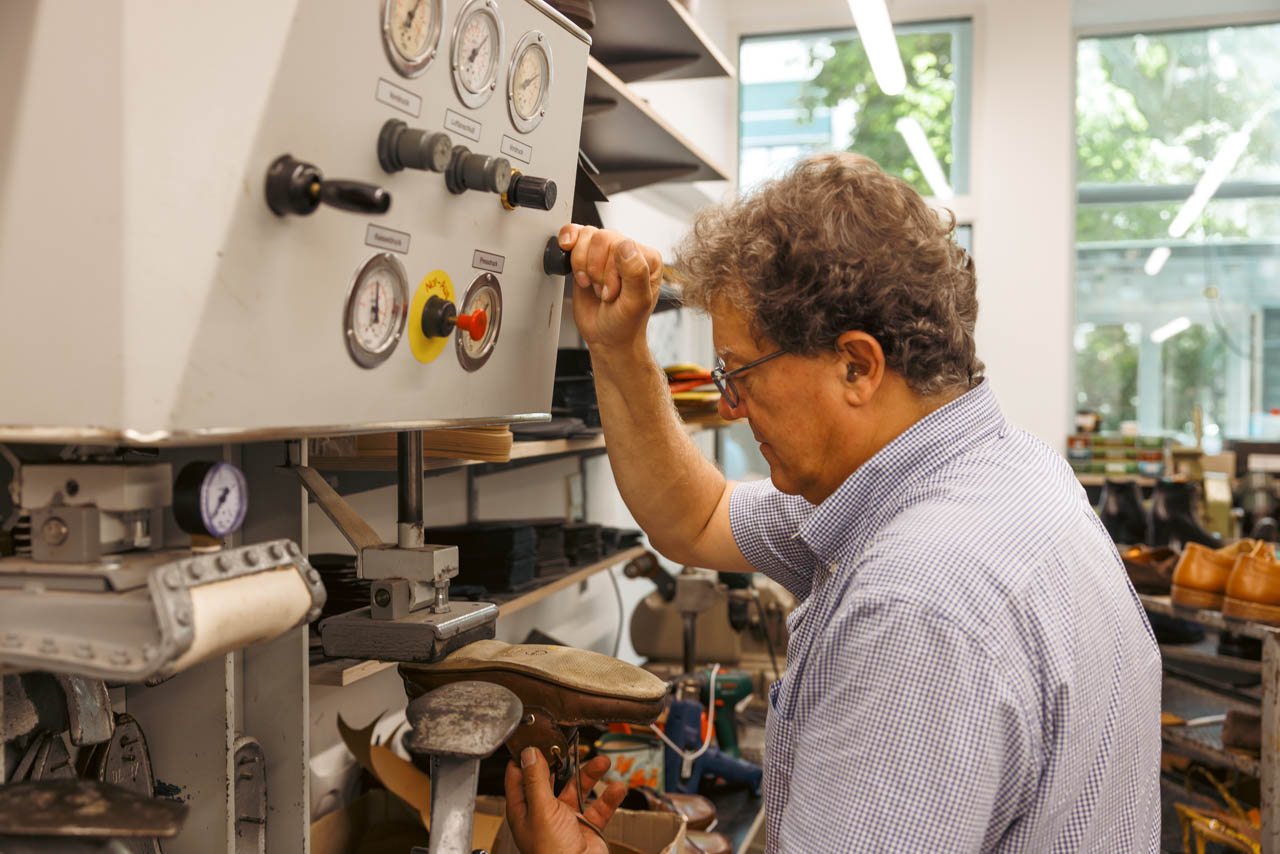
The repair began with Stephan Pöschk sewing the upper leather closed again by hand. That took about ten minutes. Then, on the shoe whose sole needed work, he pulled the white synthetic outsole off with pincers. Now he could stitch the upper and the leather midsole back together by machine.
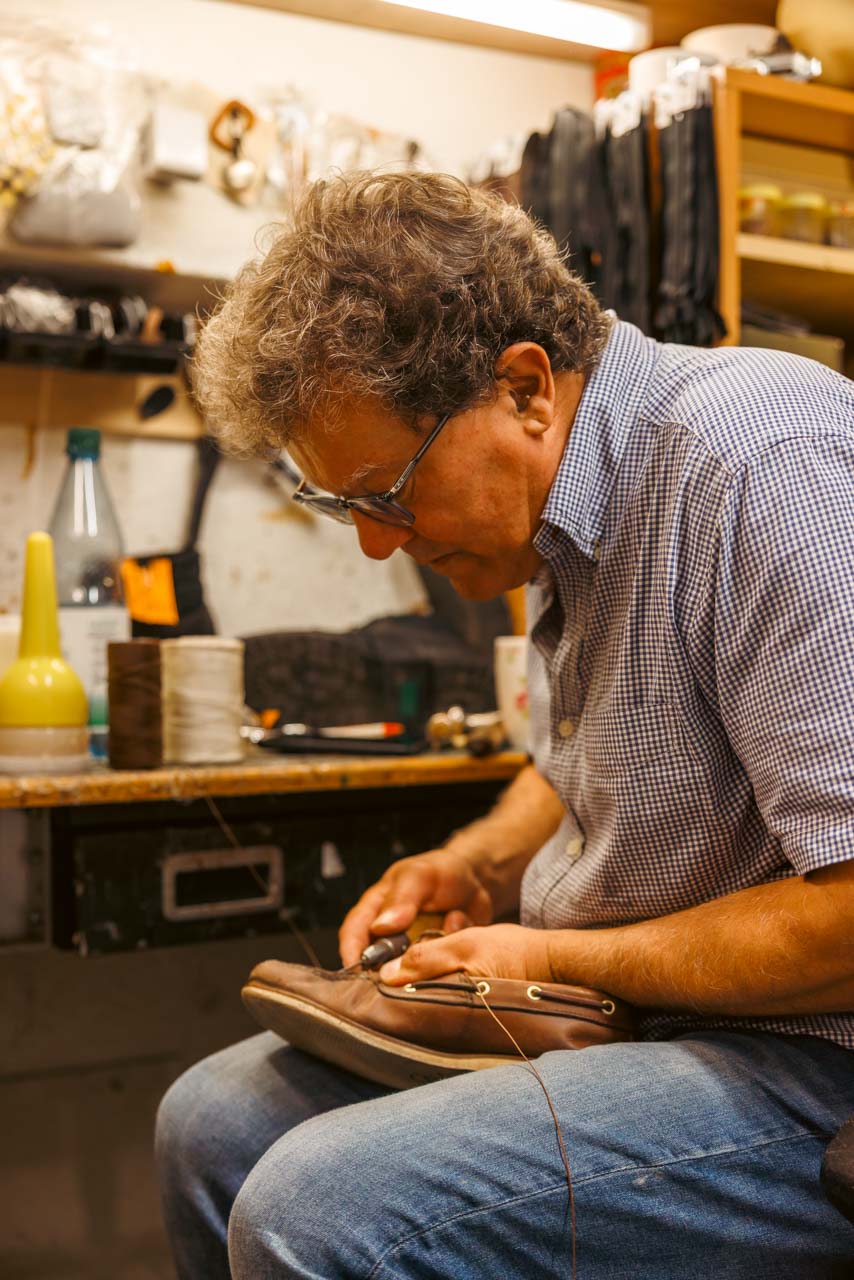
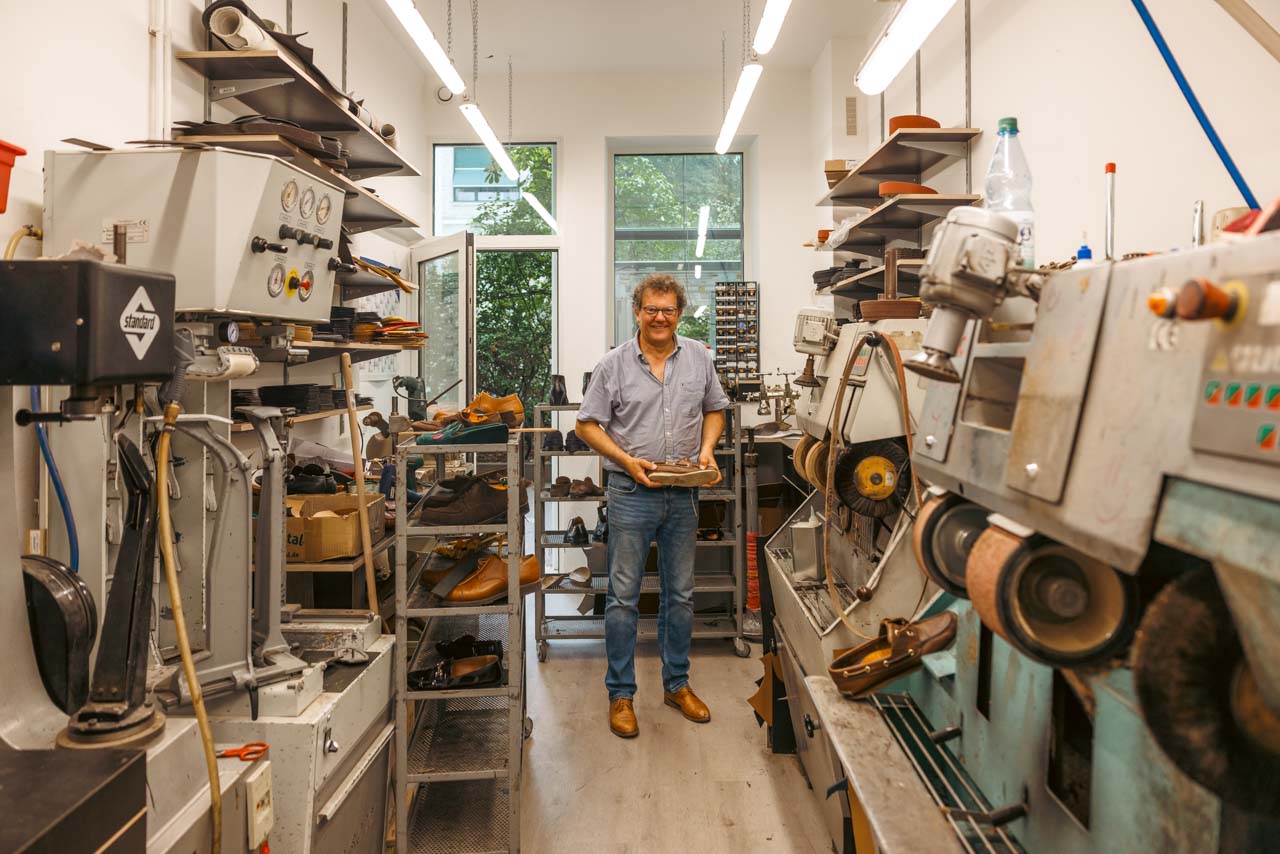
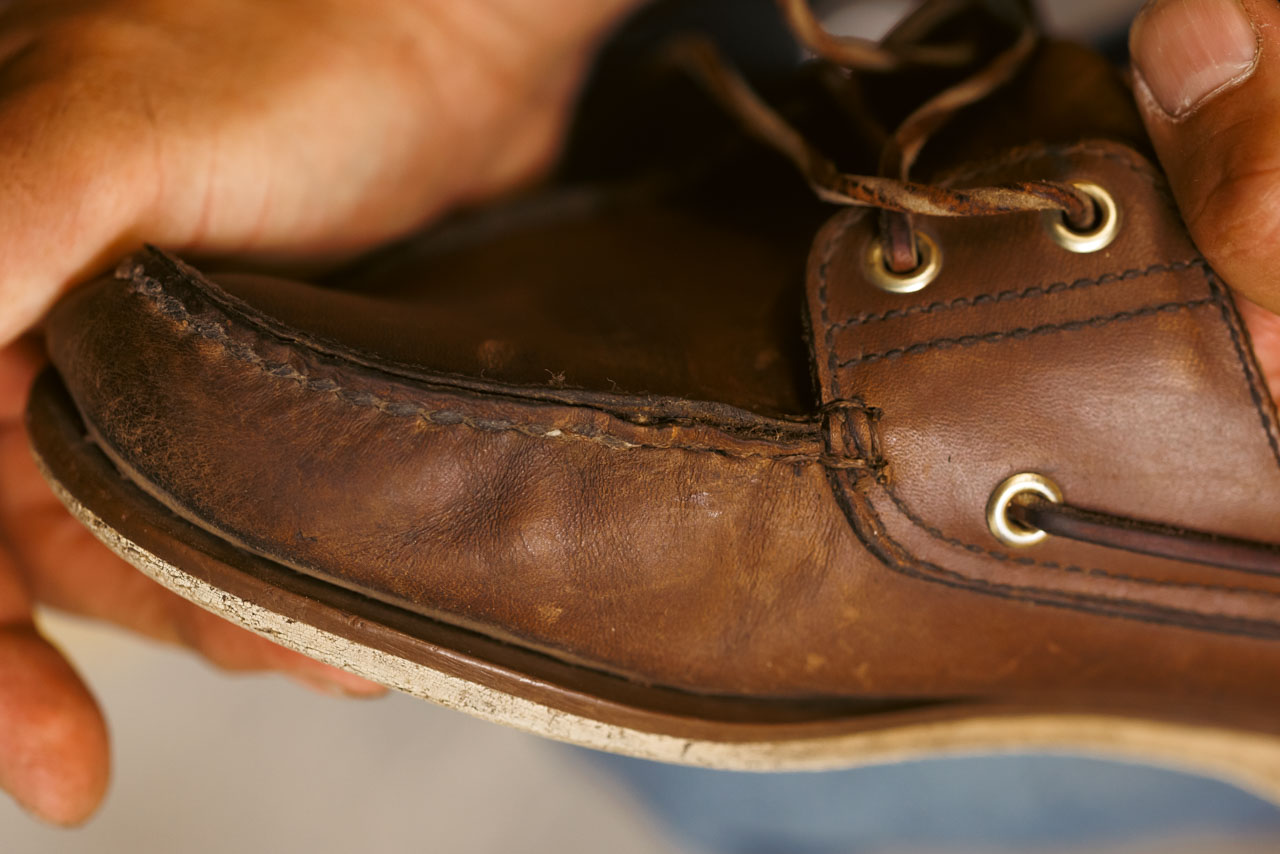
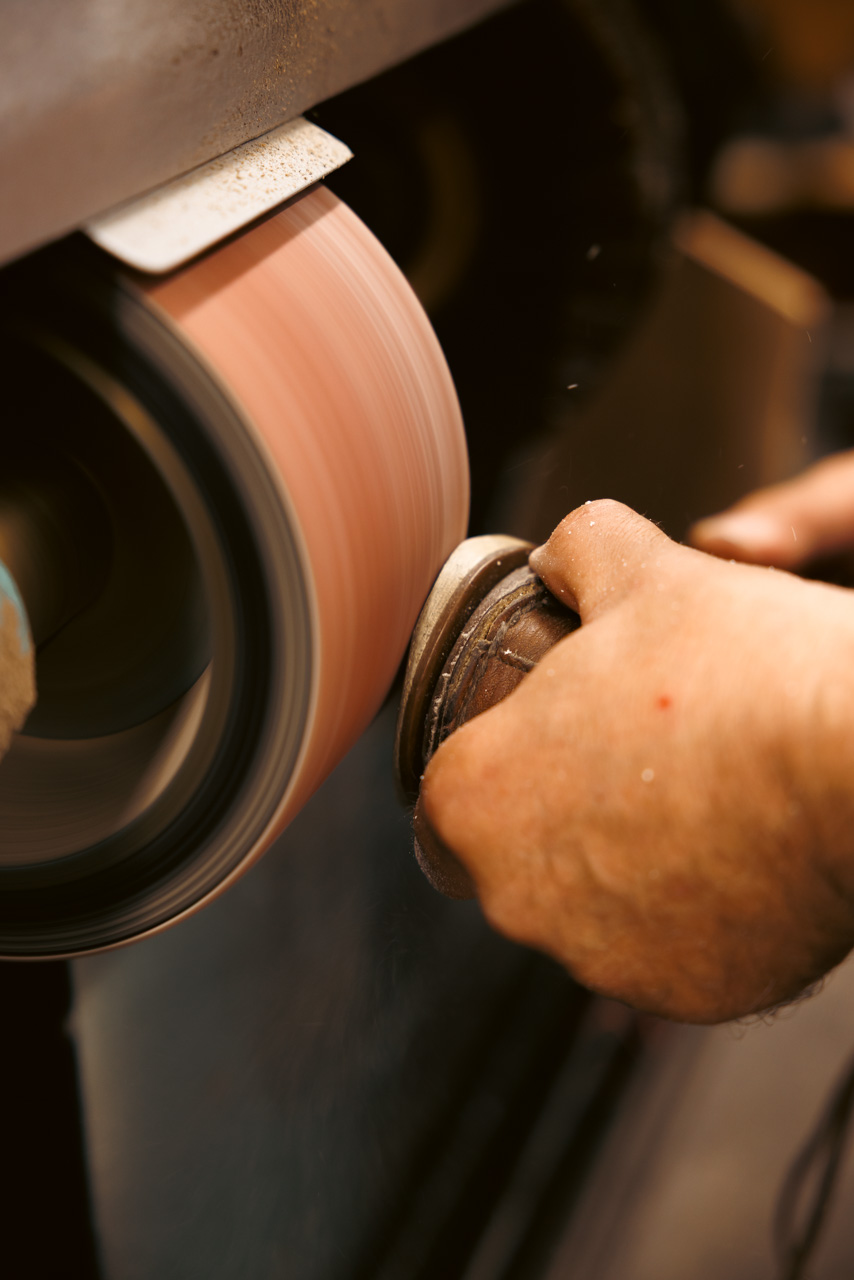
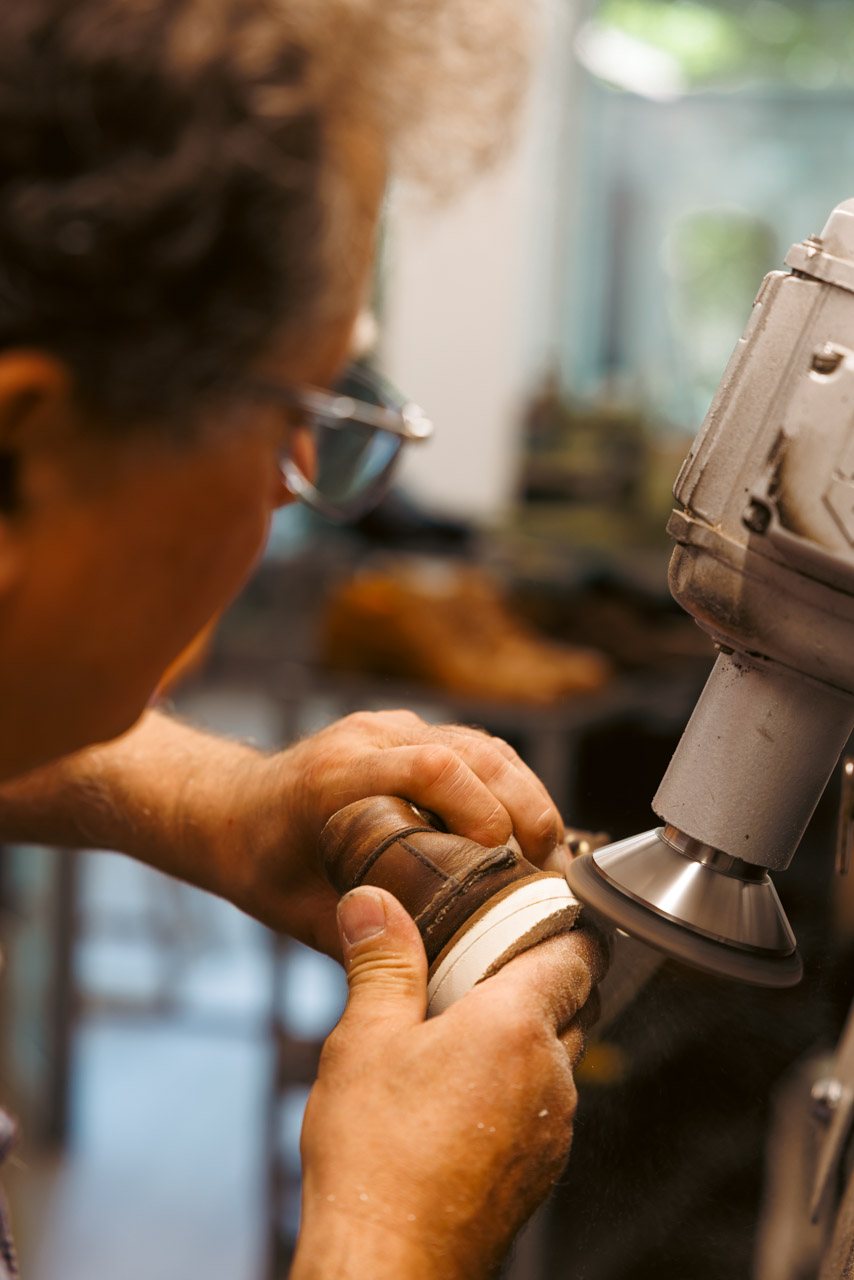
After that he sewed the outsole back on. Last of all he ground down the worn corners at the soles, replaced the corners and ground the soles all round. Right at the end he gave the shoes a little polish. You cannot now tell from the finished shoes how old they are. What has stayed is the patina.
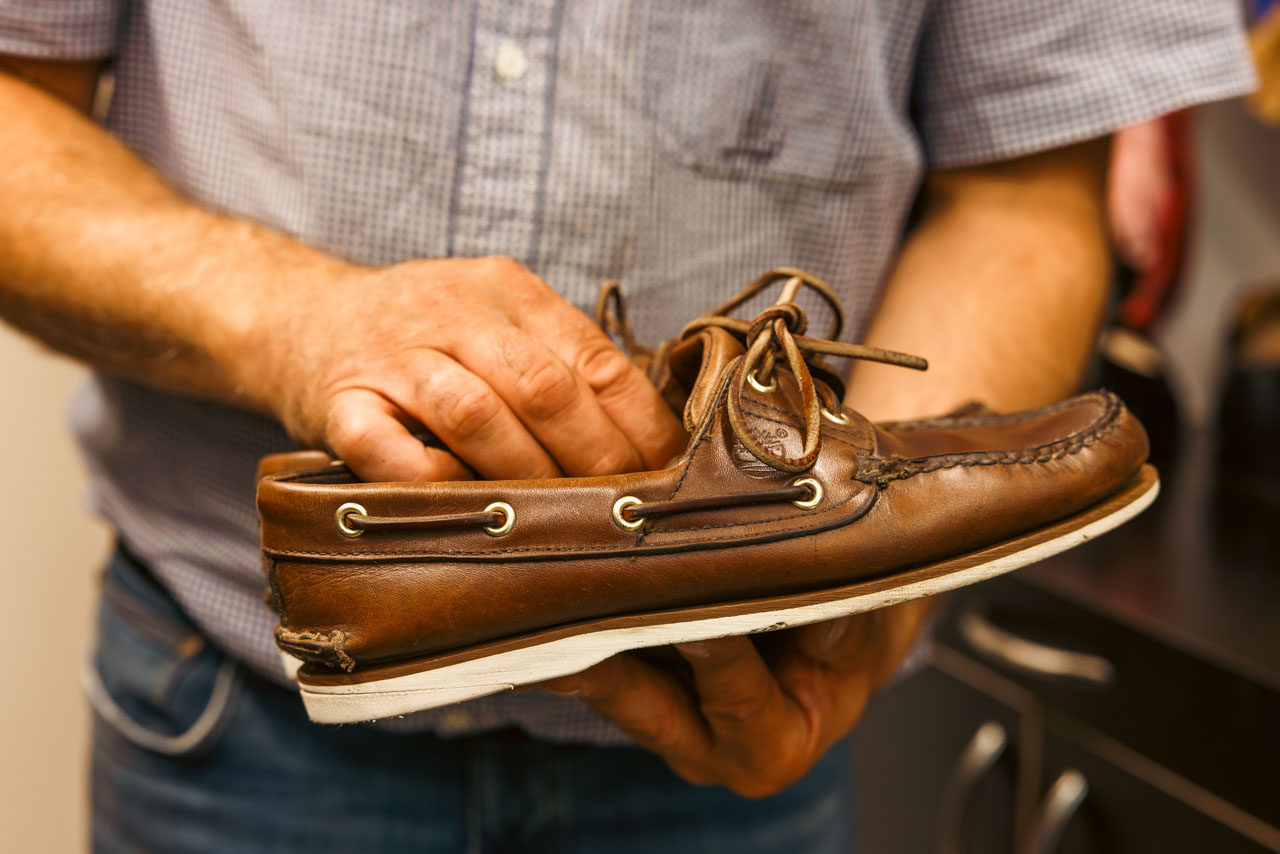
After the repair: as good as new. But with patina
The new stitching that holds the sole back to the upper is hard to tell from the rest of the seam inside the shoe. But that is exactly as it should be, says Stephan Pöschk: “At the end you must not be able to see that the shoe was repaired.”
Everything speaks for repair
Some people would throw away shoes whose upper had come unstitched and whose sole was coming off. I am on principle always for repair. It pays financially too. The hand stitching cost 16 euros, stitching and gluing the sole 20 euros, and the heel corners 22.50 euros. Fifty-eight euros fifty in total.
Set against the 22 years I wore these shoes before the repair, that is not much. And after this repair the shoes are ready for many more years of use. So: shoe repair makes sense in every respect.